
CORFU
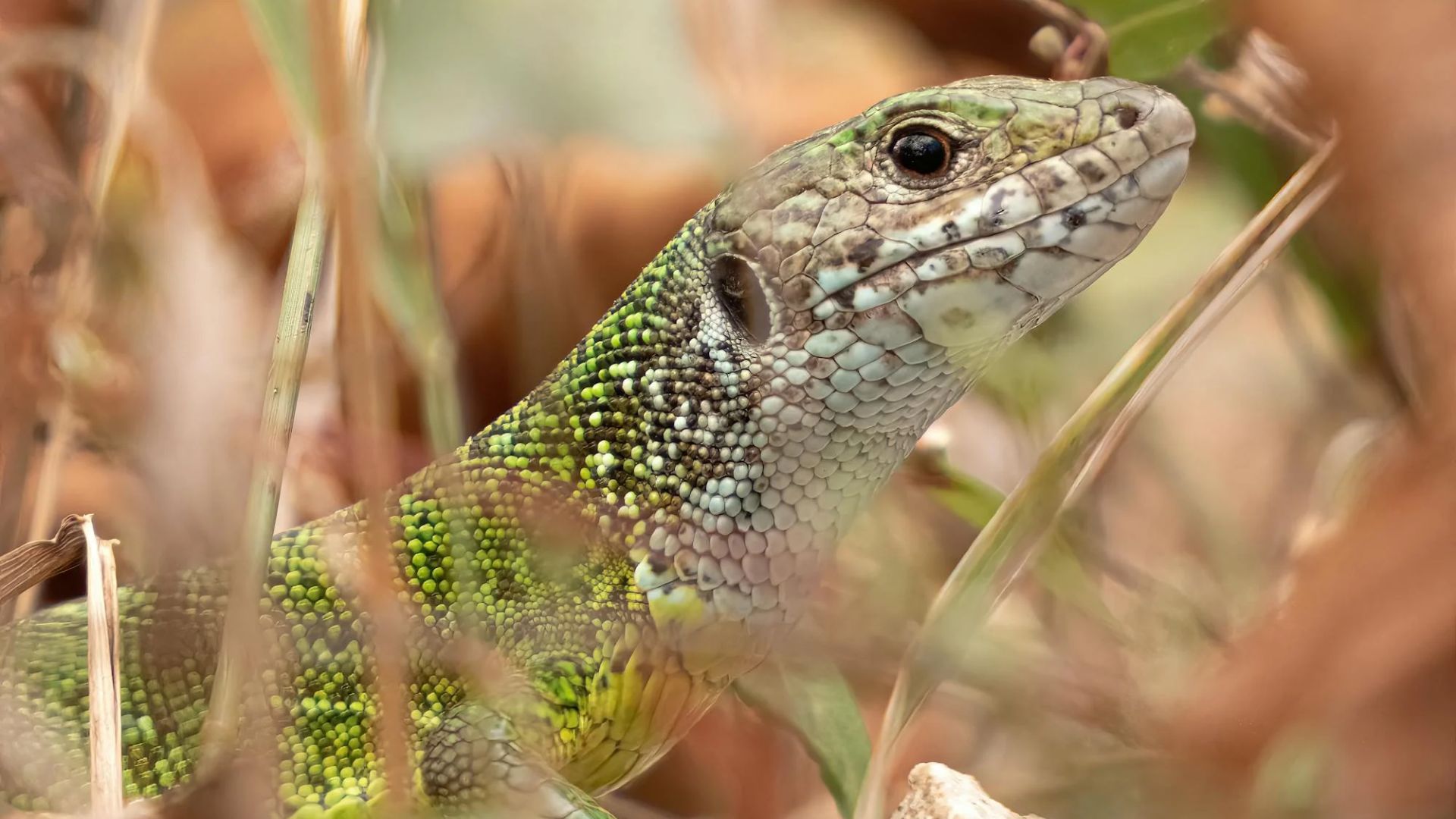
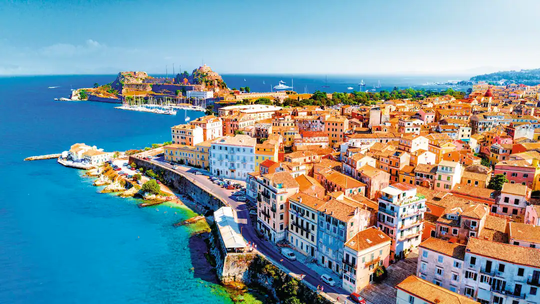
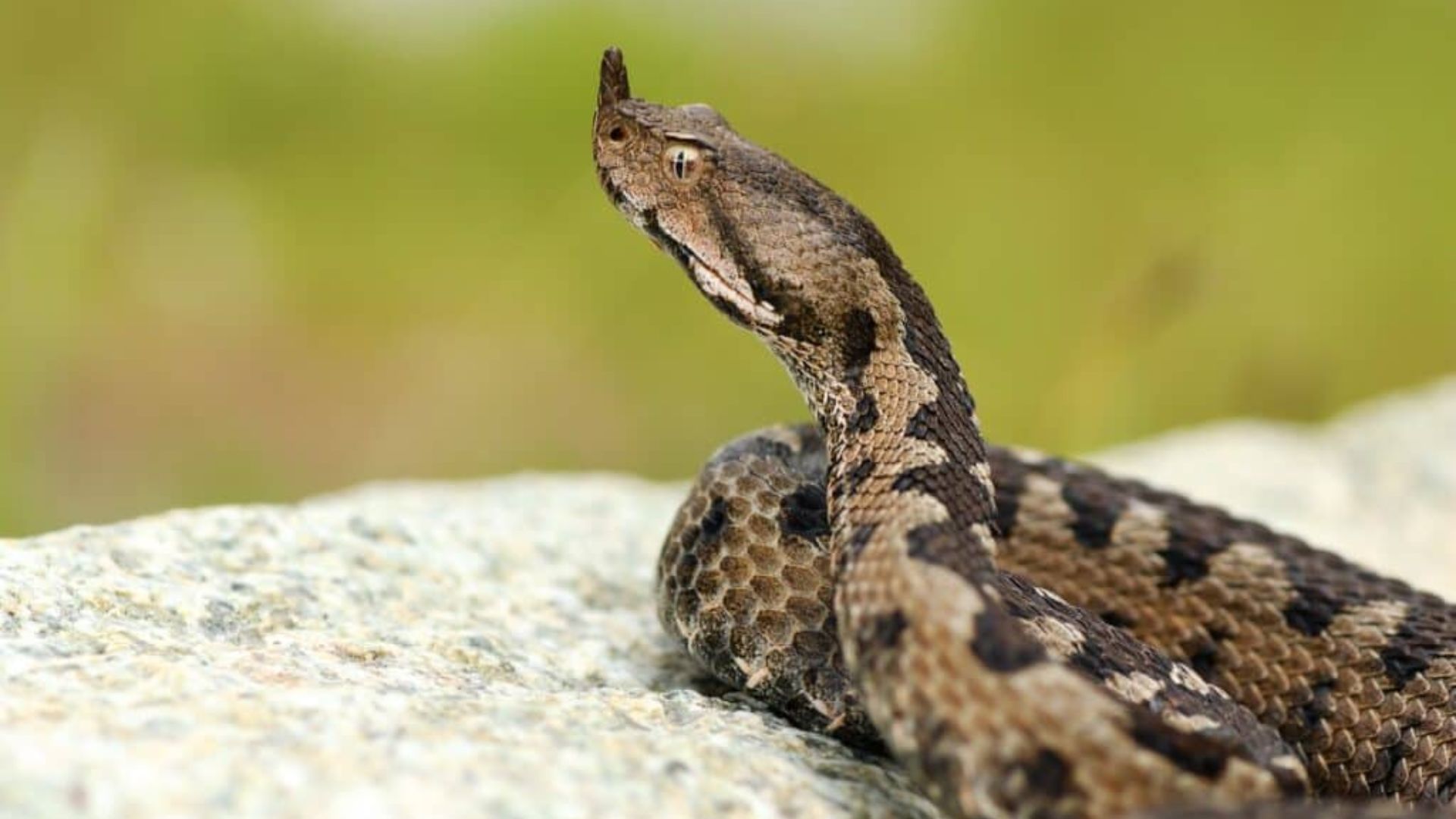
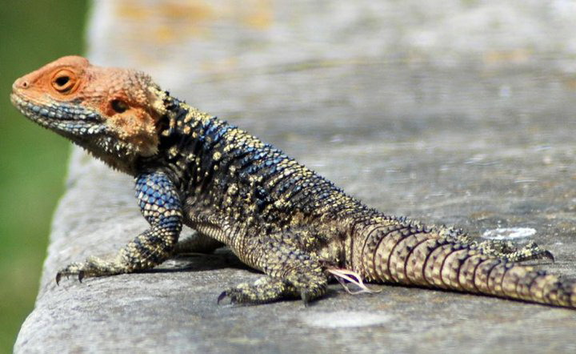
Discover the rich biodiversity of Corfu on this guided herping trip! Join fellow wildlife enthusiasts as we explore lush landscapes and encounter a variety of fascinating reptiles and amphibians in their natural environment.
ITINERARY OVERVIEW
DAY 1
ARRIVAL IN CORFU TOWN
DAY 2
MOUNT PANTOKRATOR AND SURROUNDINGS
DAY 3
OLD PERITHIA AND ANTINIOTI LAGOON
DAY 4
PALEOKASTRITSA REGION
DAY 5
ROPA VALLEY EXPLORATION AND DASSIA, IPSOS FORESTED AREAS
DAY 6
ARRIVAL IN CORFU TOWN
DAY 7
MOUNT PANTOKRATOR AND SURROUNDINGS
Day 1: CORFU
ARRIVAL IN CORFU TOWN




Evening (Optional): After settling in, step out and immerse yourself in the enchanting streets of Corfu’s Old Town. As you wander through narrow cobblestone alleys, you’ll pass Venetian-style buildings, charming cafes, and bustling tavernas. The scent of freshly grilled seafood fills the air, inviting you to sample authentic Greek flavors. Whether you choose to sip wine at a cozy terrace or indulge in local delicacies, this relaxed evening offers the perfect introduction to Corfu’s rich history and warm hospitality.
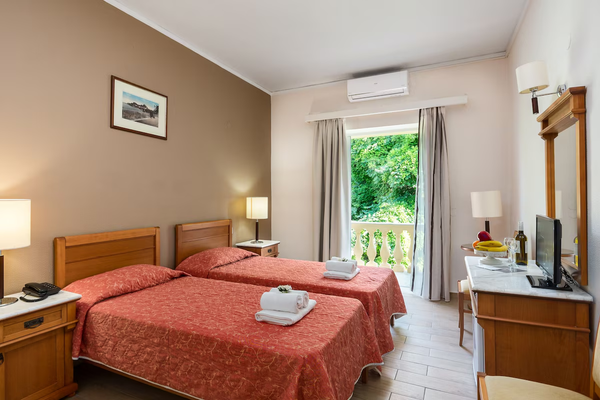
Arion Hotel Corfu | Doube or Twin rooms with breakfast
MOUNT PANTOKRATOR
Day 2: PANTOKRATOR
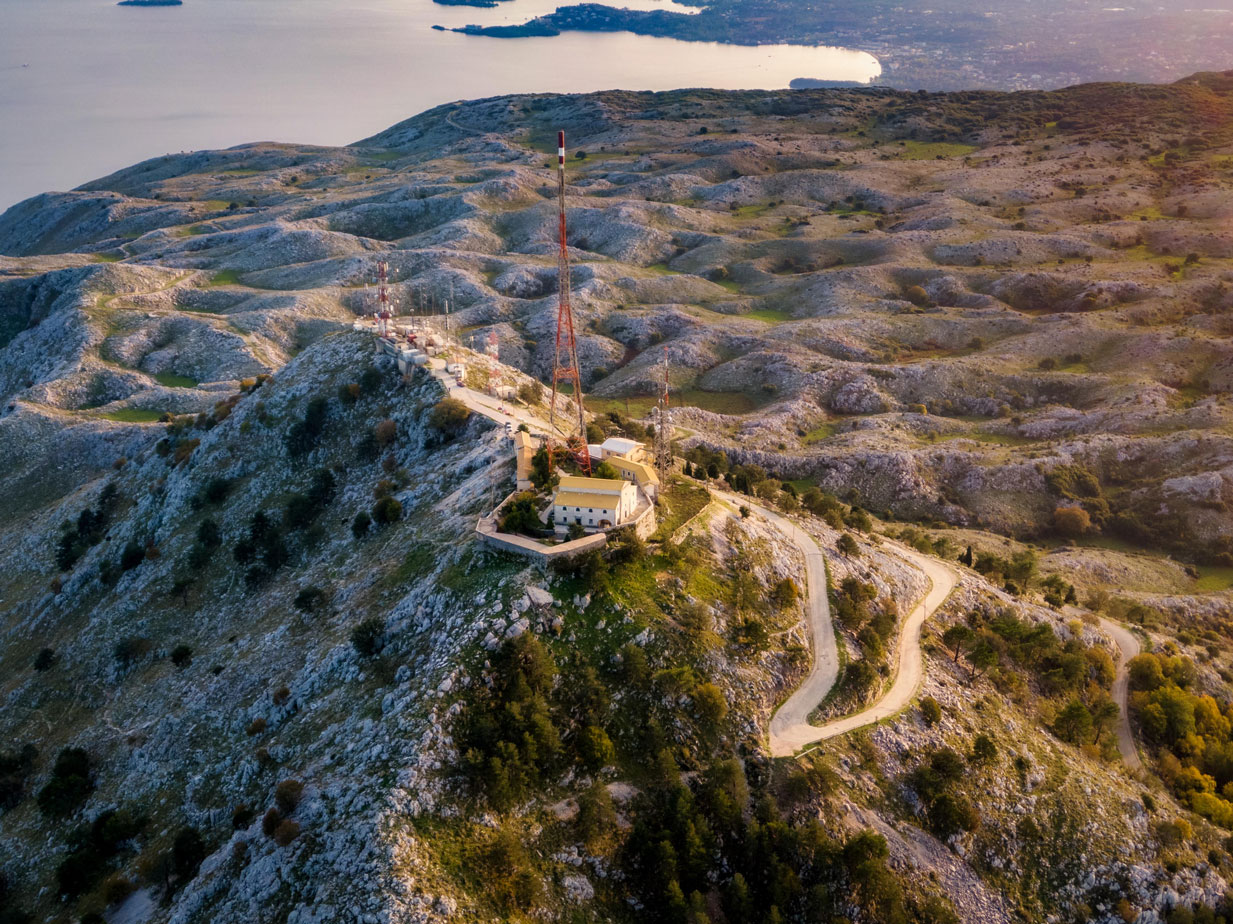
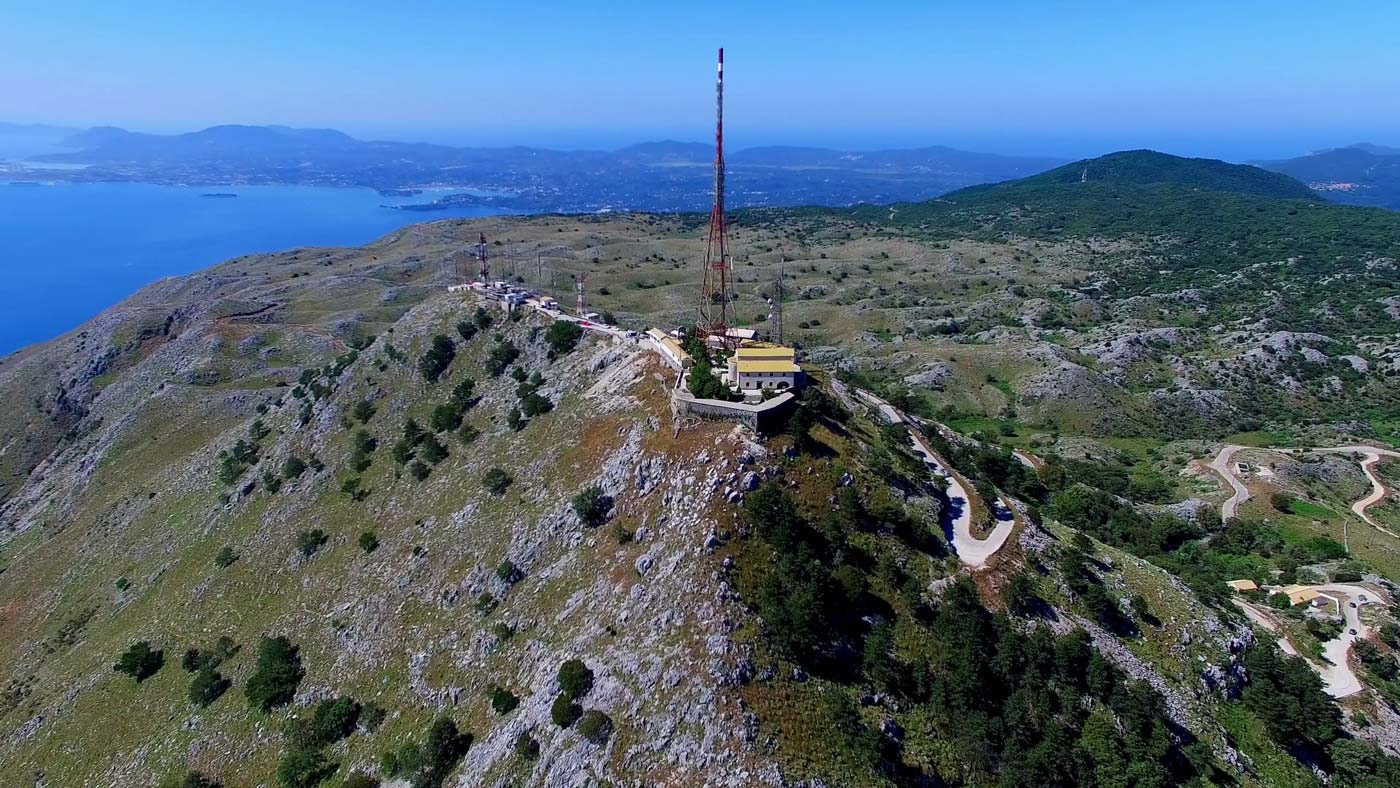
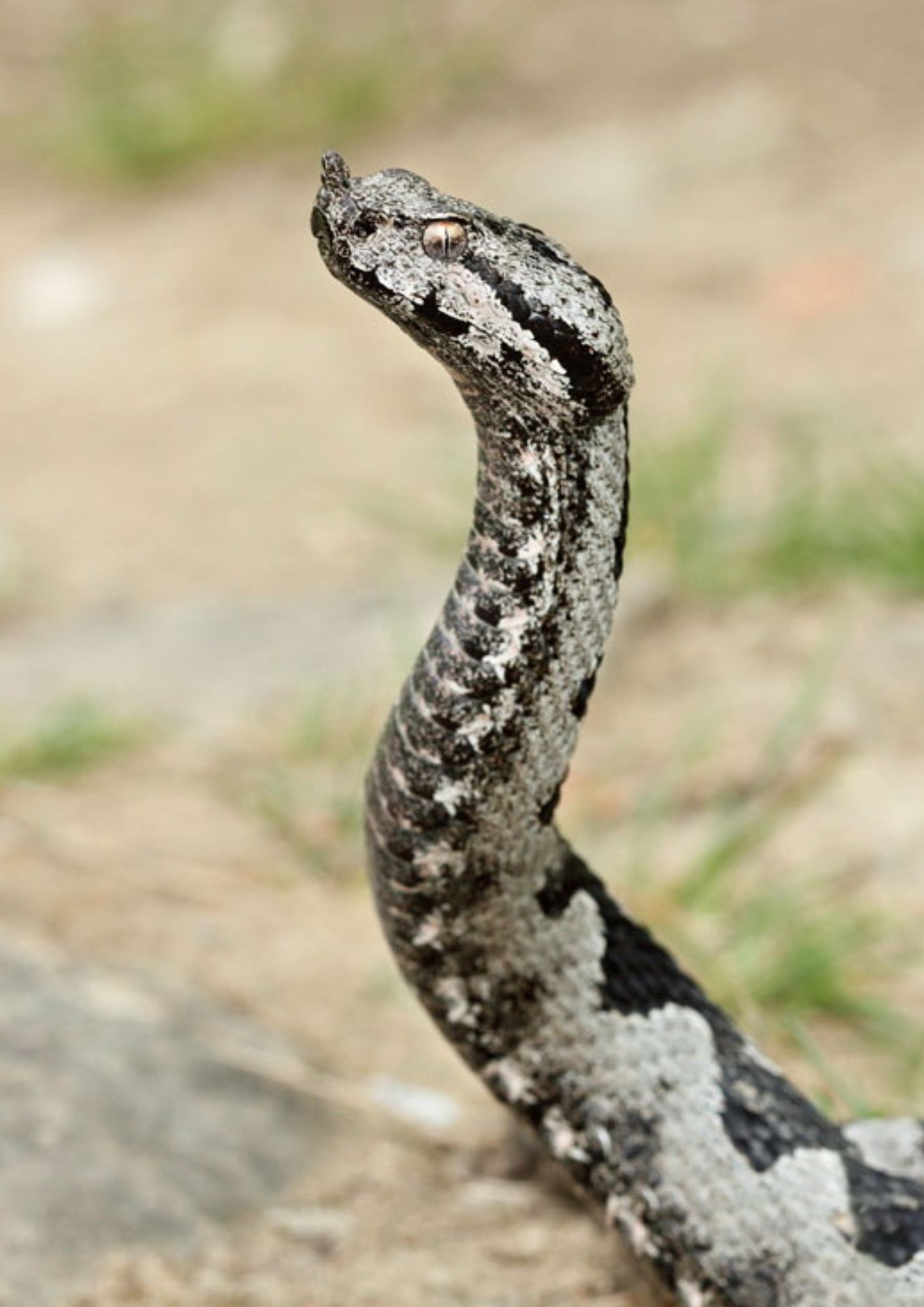
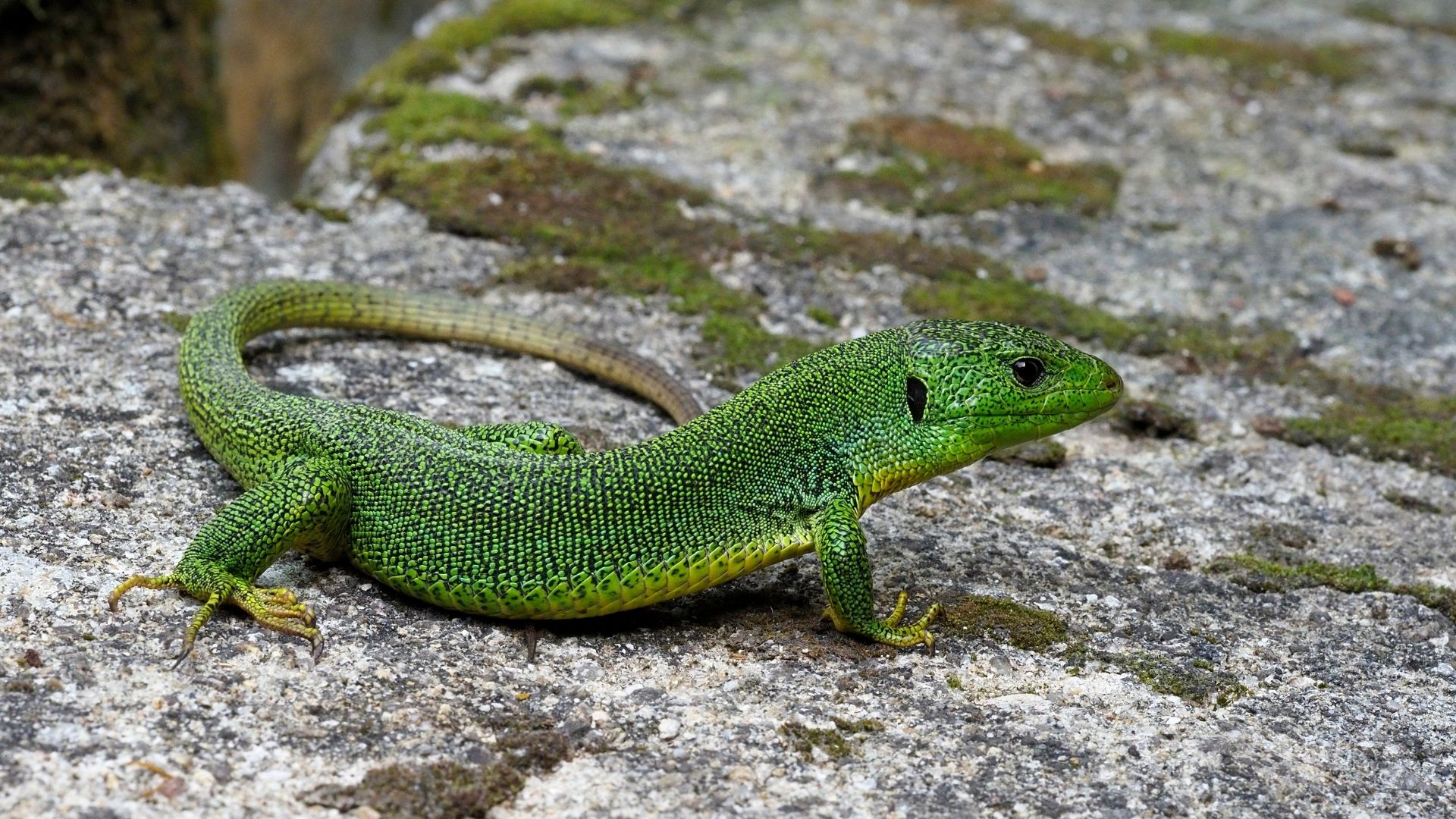
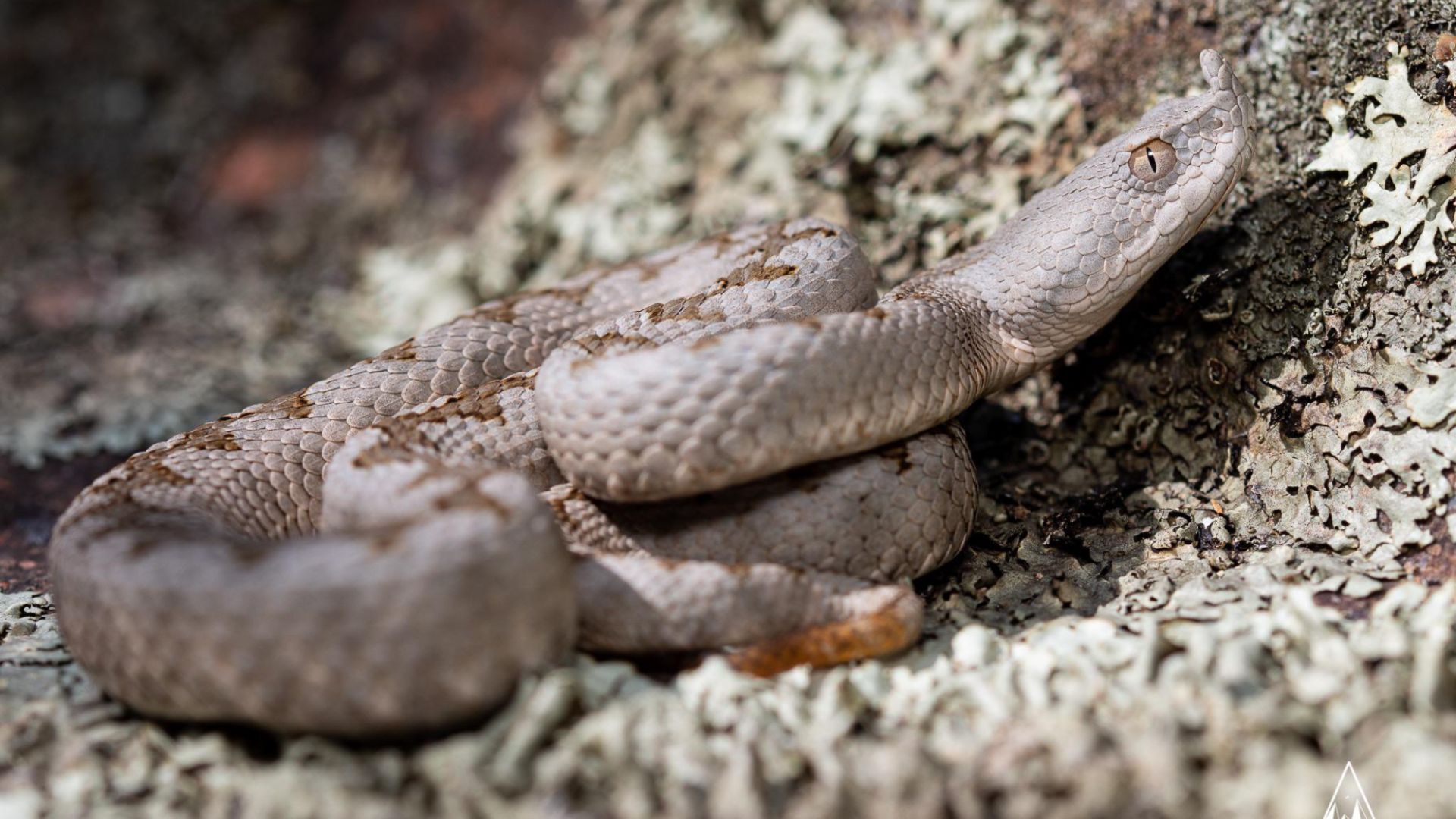
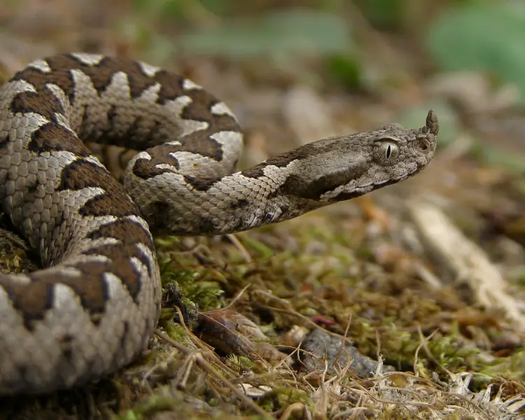
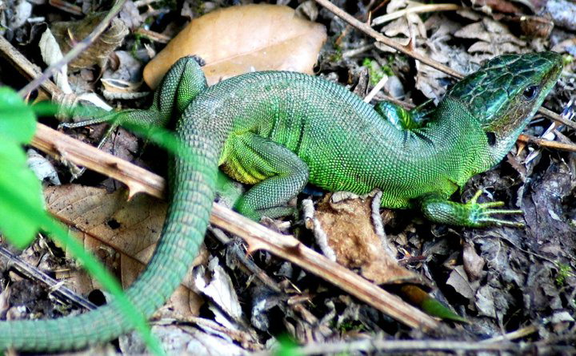
Morning (8 AM): Drive to Mount Pantokrator (approximately 1-hour and 30 mins drive northeast), the highest peak in Corfu. The rocky slopes and sparse vegetation are habitats for species like the Nose-horned Viper (Vipera ammodytes), and the Balkan Green Lizard (Lacerta trilineata).
Afternoon: Hike the trails, focusing on rocky outcrops and crevices where reptiles may be sheltering.
Day 2-3: KASSIPOI
VILLA IN KASSIPOI
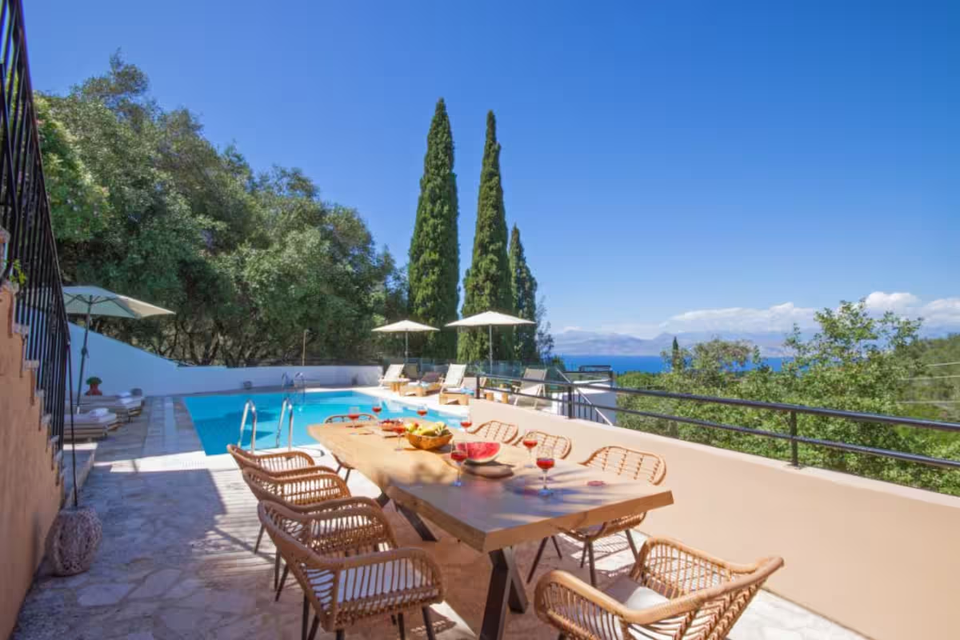
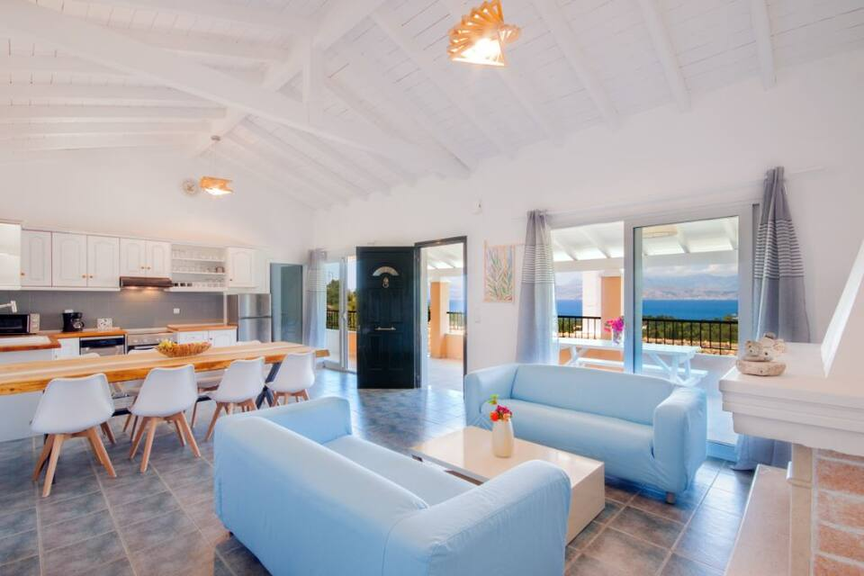
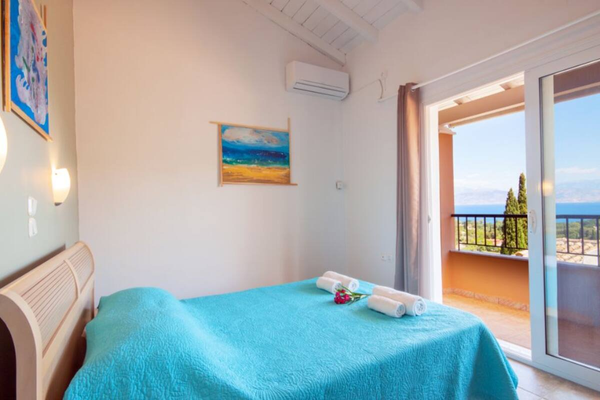
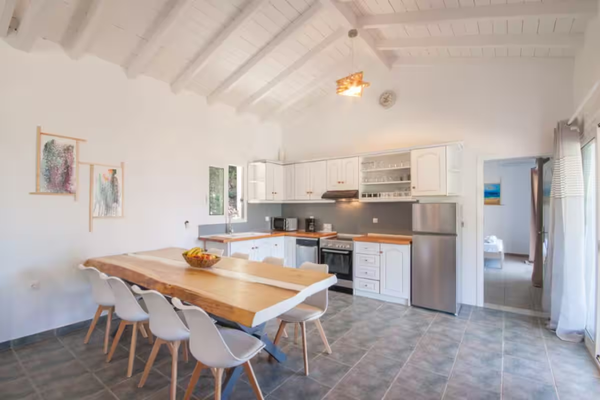
Accommodation (Days 2 & 3): Unwind at a charming three-bedroom villa with a shared swimming pool and breathtaking panoramic sea views. Just a short walk from the beach, the villa offers a peaceful retreat where you can relax, soak in the friendly atmosphere, and swim in the crystal-clear waters of the Ionian Sea.
OLD PERITHIA & ANTINIOTI LAGOON
Day 3: PERITHIA & ANTINIOTI
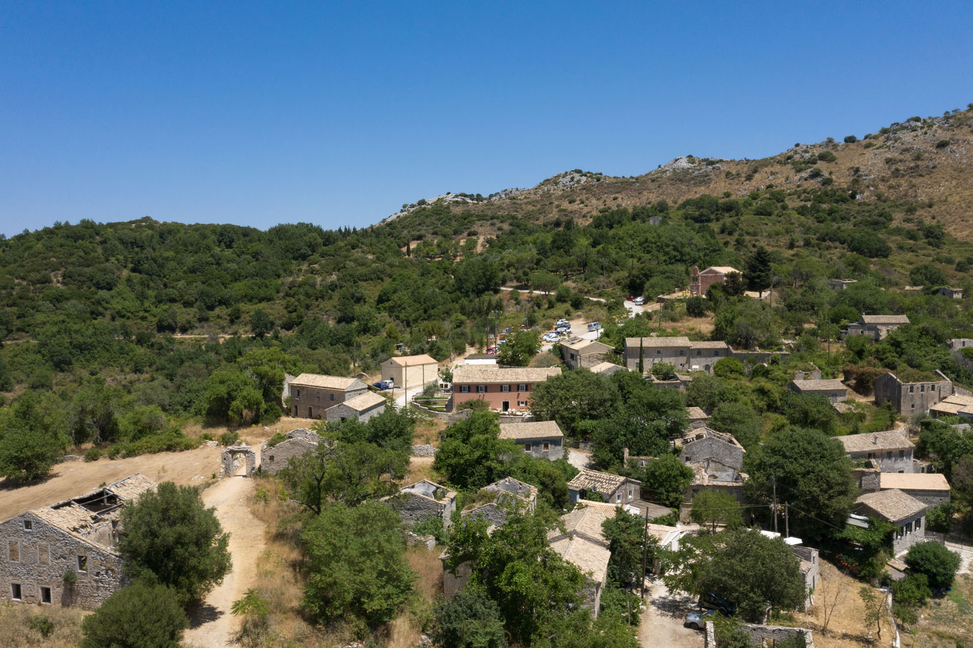
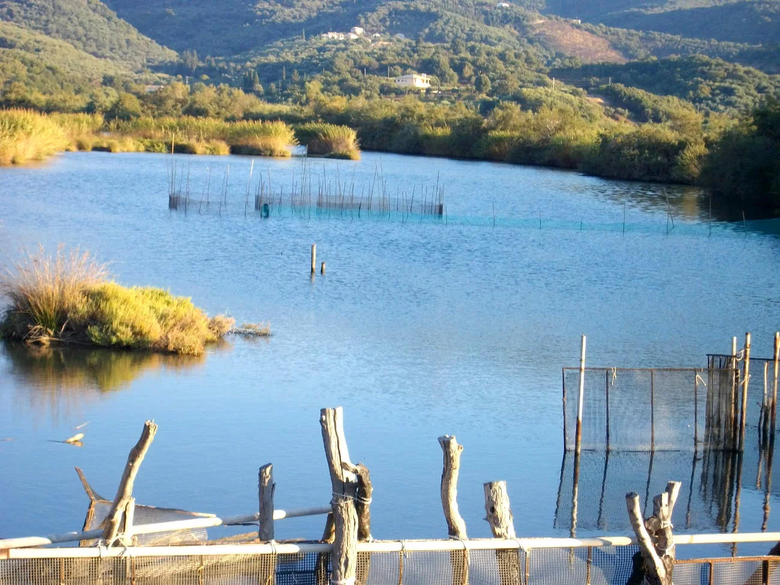
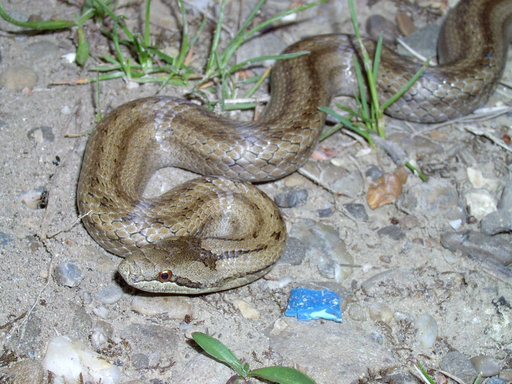
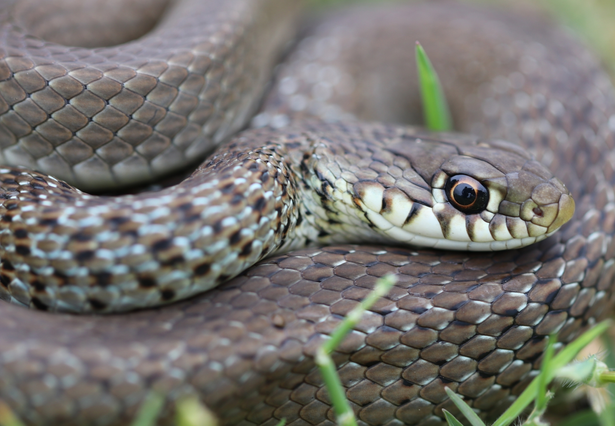
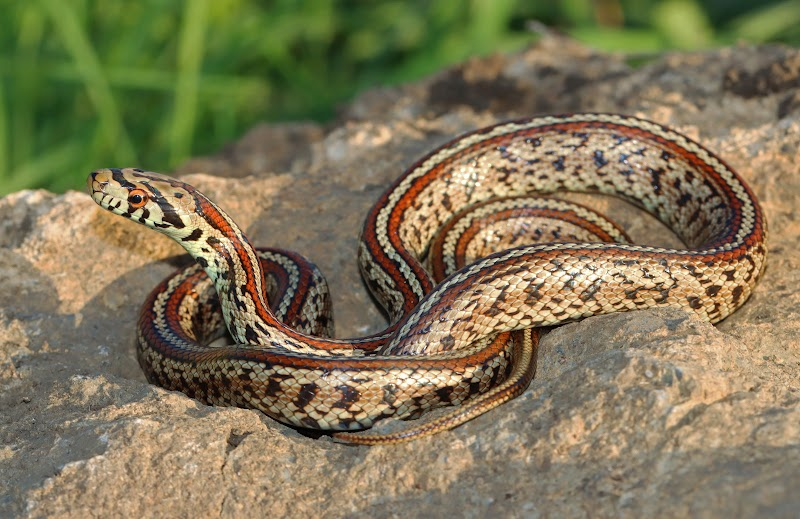
Morning (8 AM): Old Perithia is an abandoned mountain village (30 minute drive from Kassiopi) on the slopes of Mount Pantokrator, it offers a mix of habitats—stone ruins, dry-stone reptiles and amphibians such as Noswalls, meadows, and forested areas—making it a good place to find reehorned Viper, Leopard Snake, Four-lined Snake, Balkan Whip Snake, Greek Rock Lizard, etc.
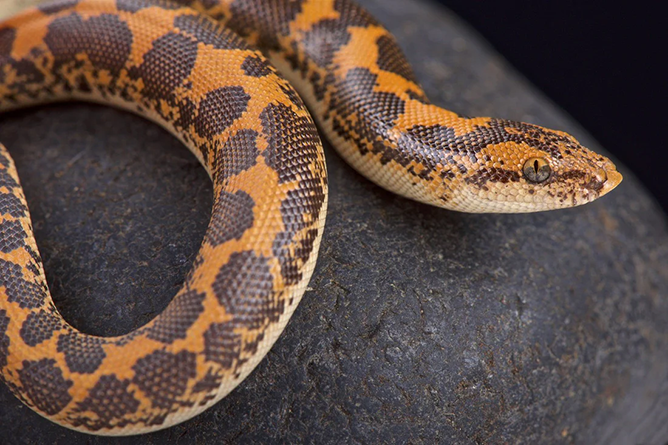
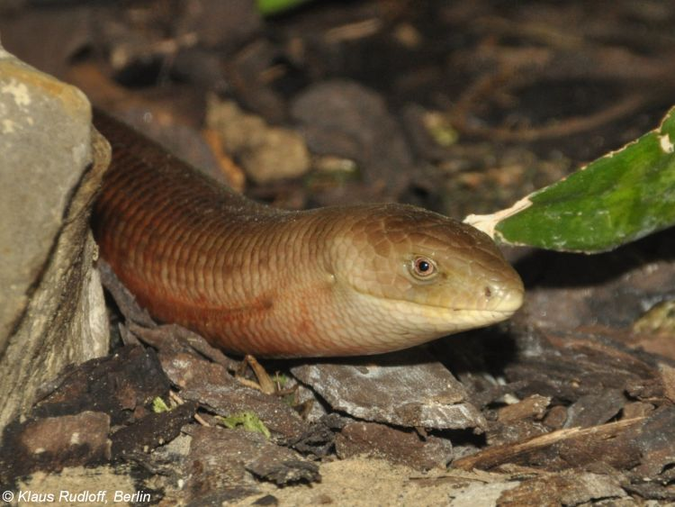
Afternoon (2 PM): Visit the nearby Antinioti Lagoon, a wetland area that supports various amphibians and reptiles. Explore the coastal dunes and scrublands near Agios Spyridon (approximately 20-minute drive west from Kassiopi). These habitats are suitable for species such as the Sand Boa (Eryx jaculus) and the European Glass Lizard (Pseudopus apodus).
Villa in Kassiopi | Three bedroom Villa
Day 4: PALEOKASTRITSA
PALEOKASTRITSA REGION
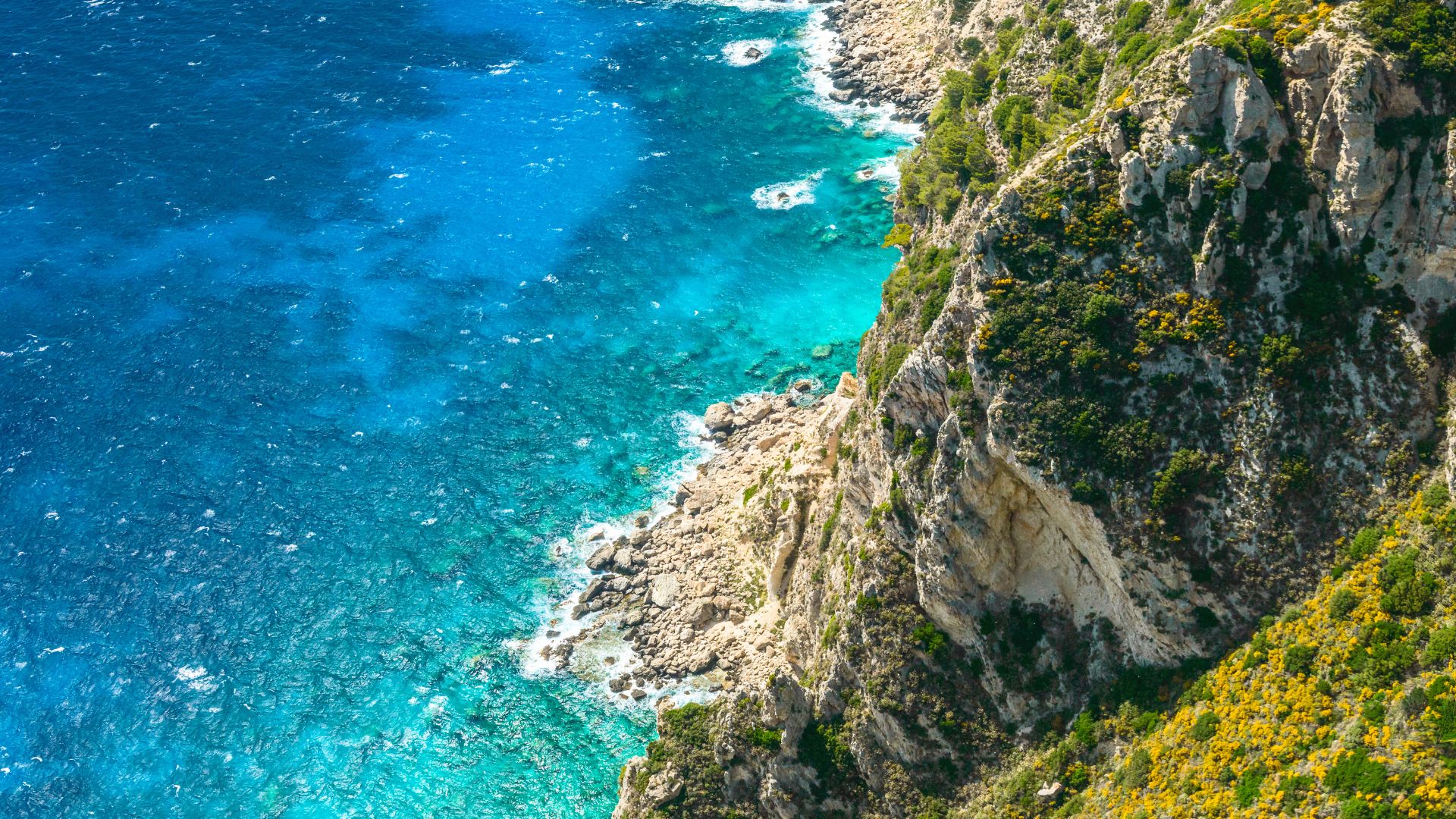
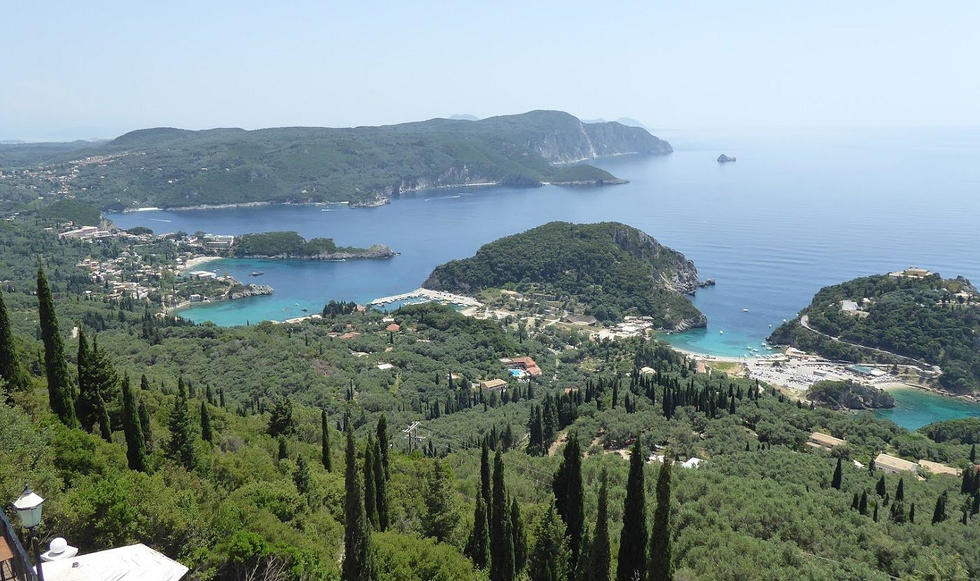
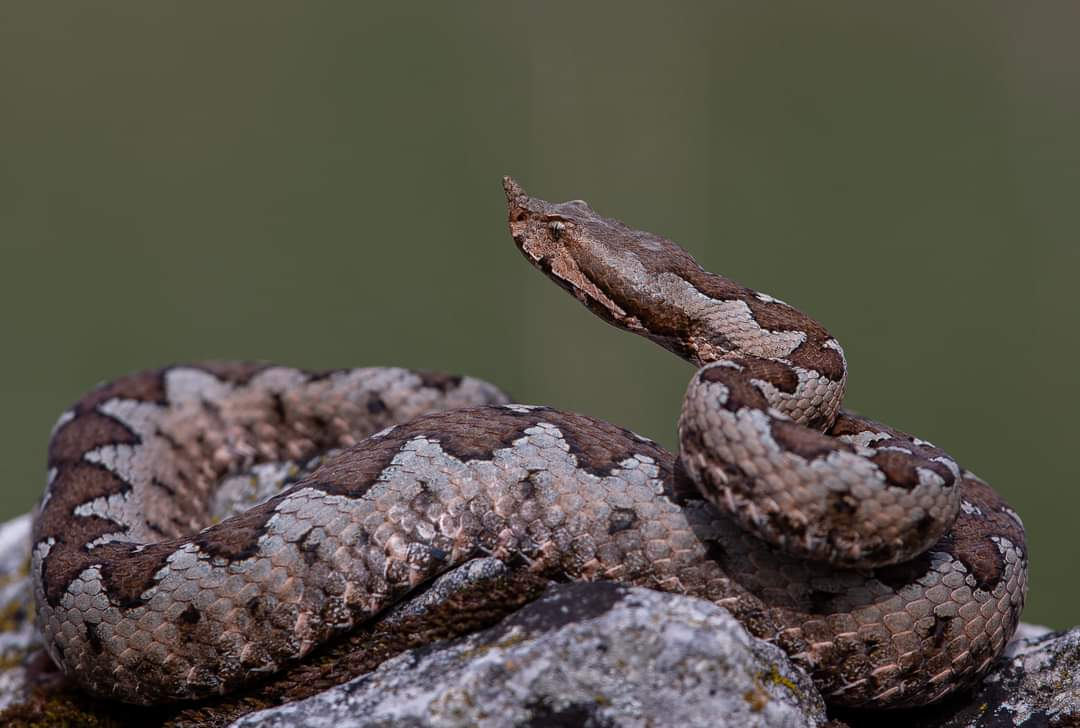
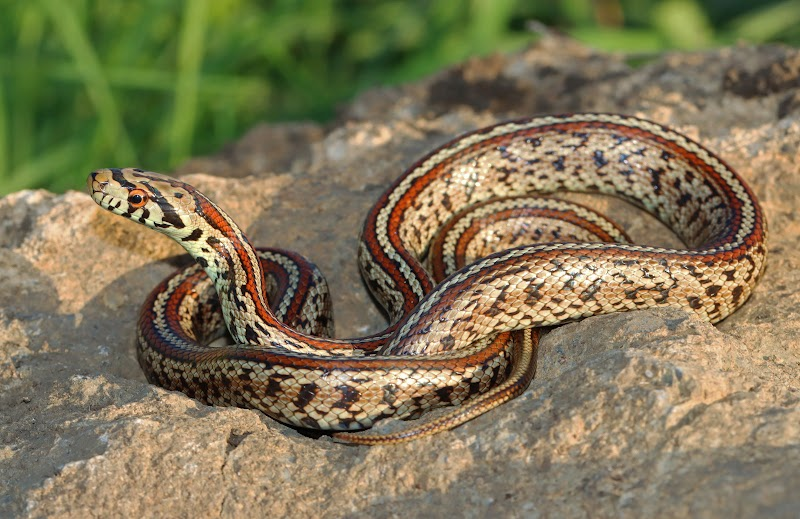
Morning (8 AM): Travel to Paleokastritsa (approximately 1-hour and 30 minutes drive southwest). The area around Lakones village, just above Paleokastritsa, has dry-stone walls, abandoned terraces, and rocky outcrops—great for basking snakes such as Leopard Snake, Fourlined Snake, Balkan Whip Snake.
Afternoon (1 PM): Olive Groves and Abandoned Buildings Near Krini. This area has overgrown paths and old stone structures, perfect hiding spots for snakes such as Nose-horned Viper, Cat Snake, and Leopard Snake.
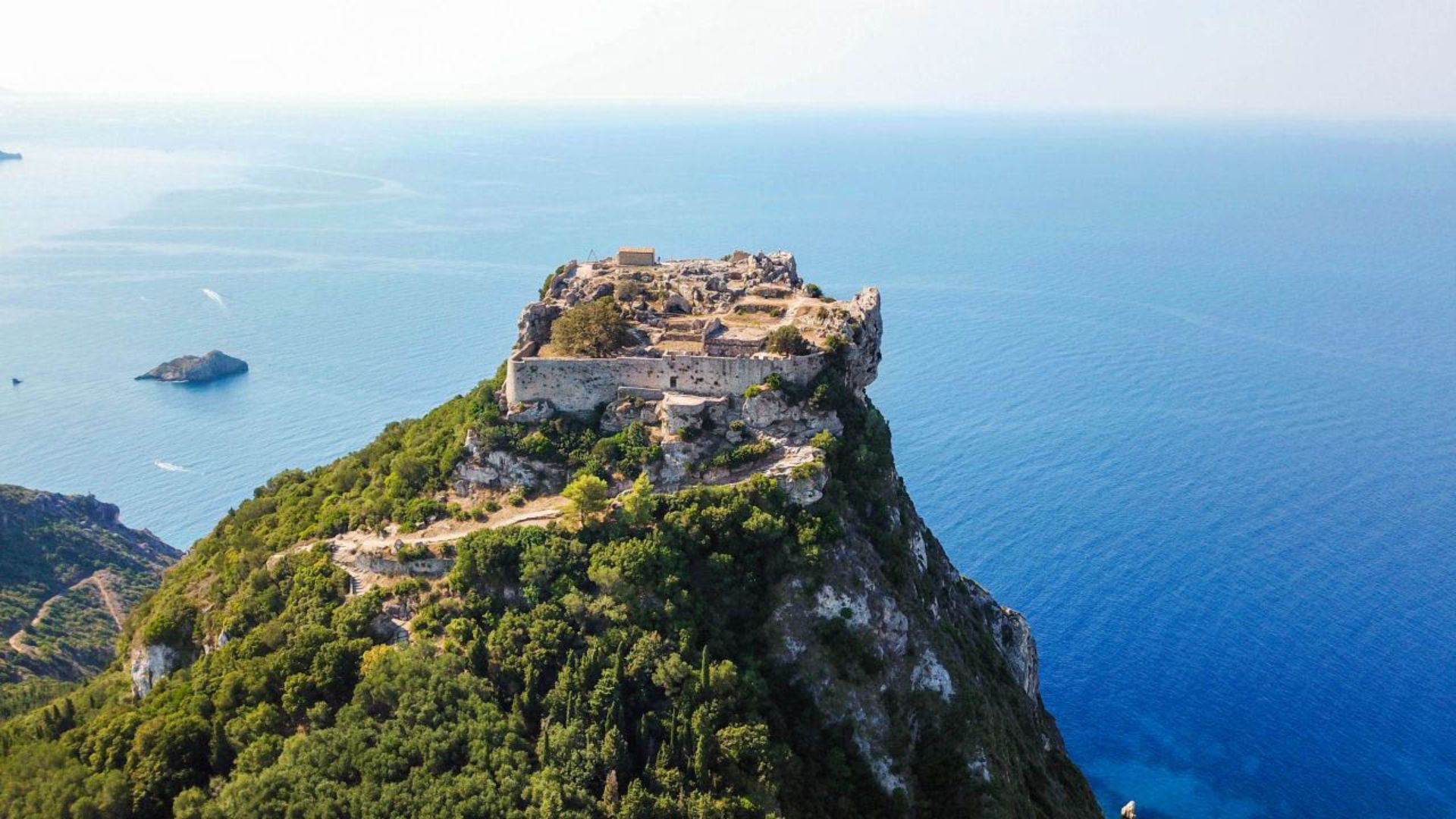
Angelokastro’s surrounding olive groves and rocky ledges are promising, especially near the old walls and abandoned structures.
FUNDANA VILLAS
Day 4-5: FUNDANA
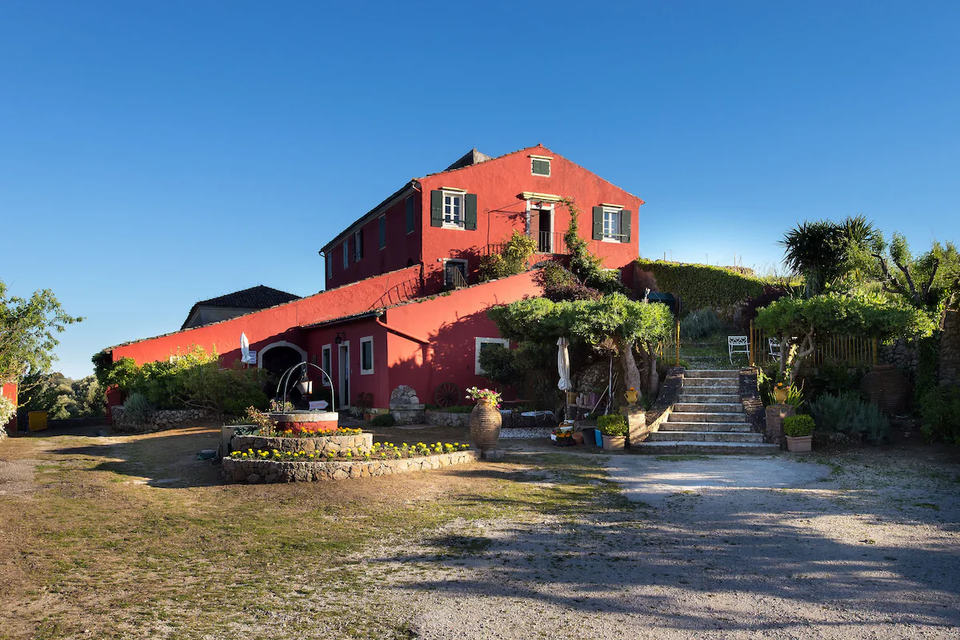
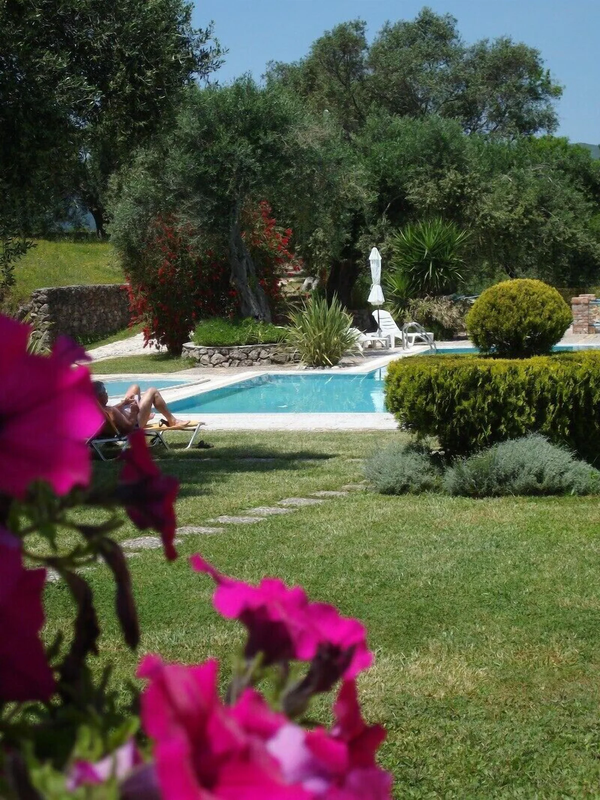
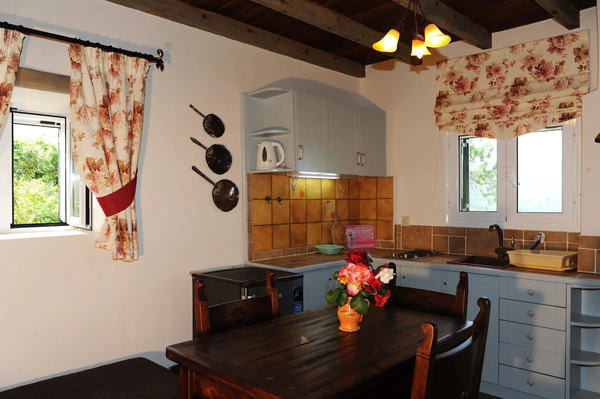
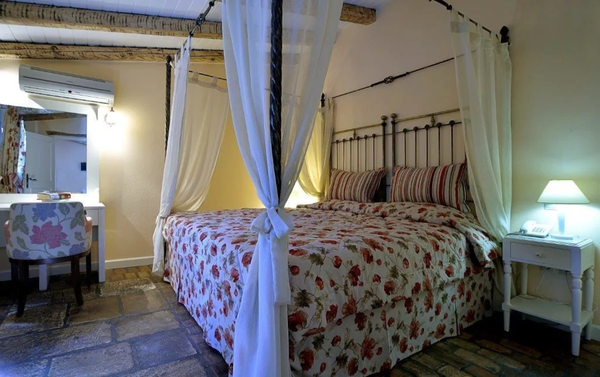
Accommodation (Days 4 & 5): Settle into Fundana Villas, where you’ll stay in a comfortable Family Room with a kitchenette and stunning mountain views. Just 15 minutes from Paleokastritsa, this charming retreat offers a peaceful atmosphere and a hearty breakfast to start your day.
Day 5: ROPA VALLEY
ROPA VALLEY EXPLORATION, DASSIA, & IPSOS FORESTED AREAS
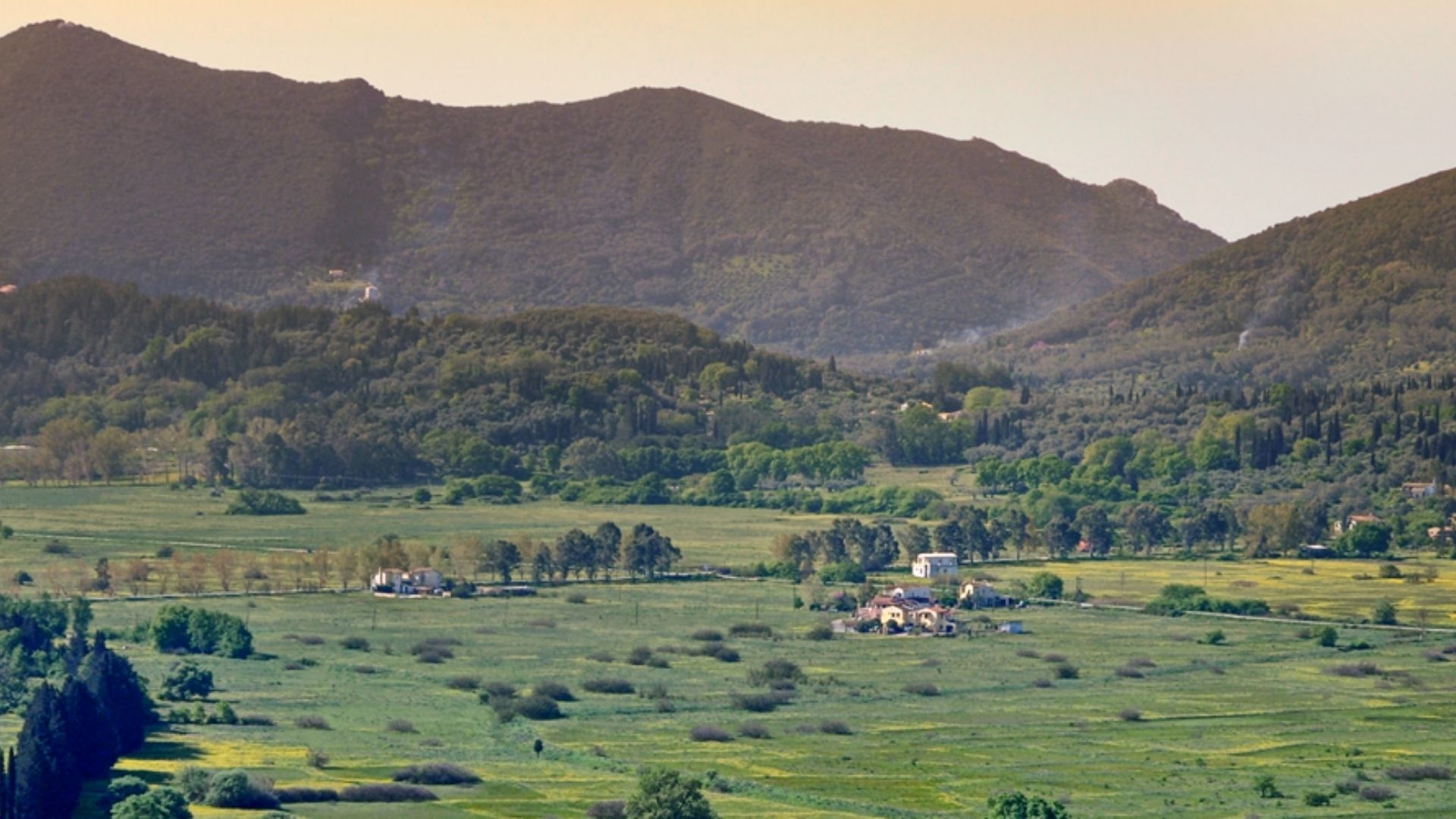
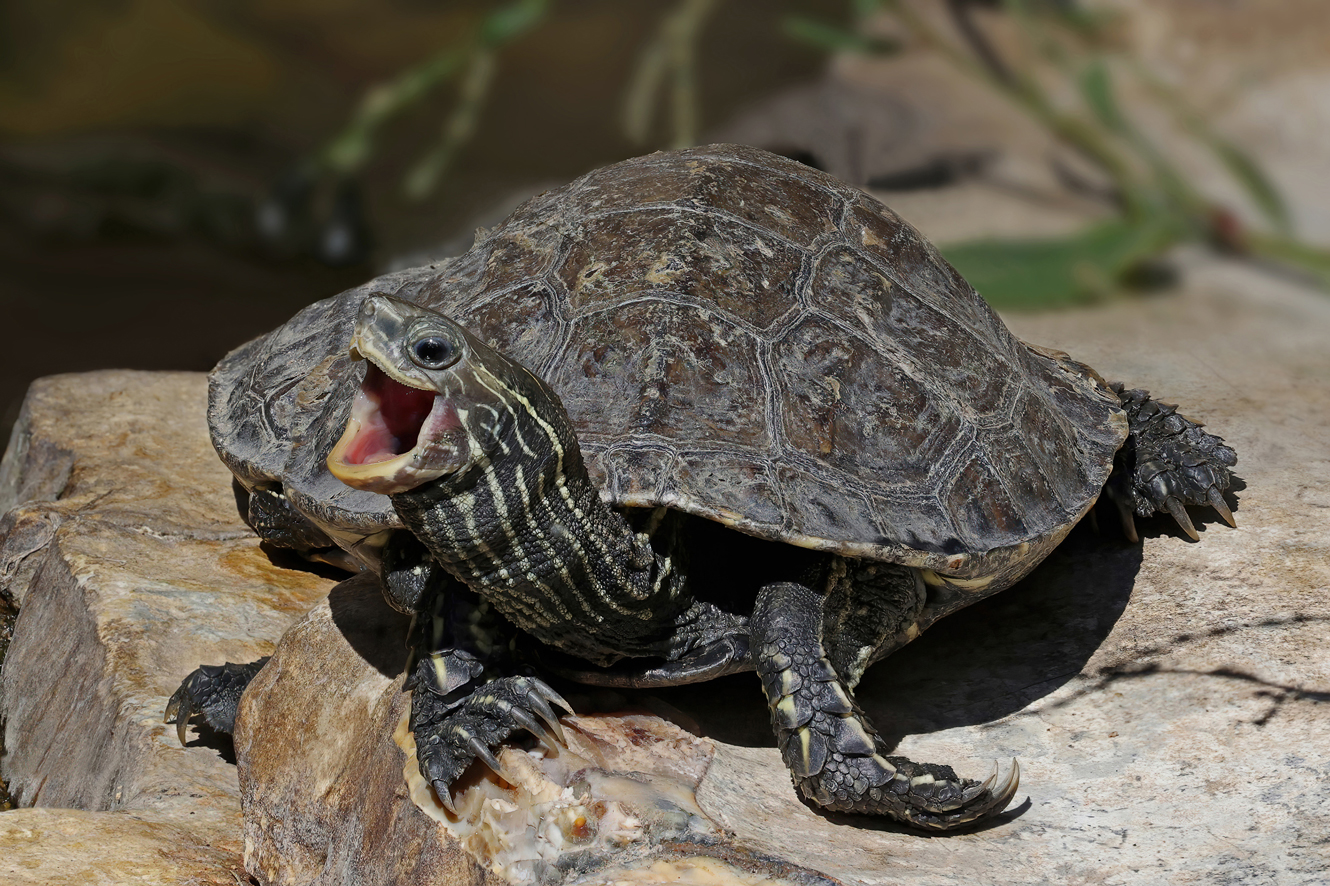
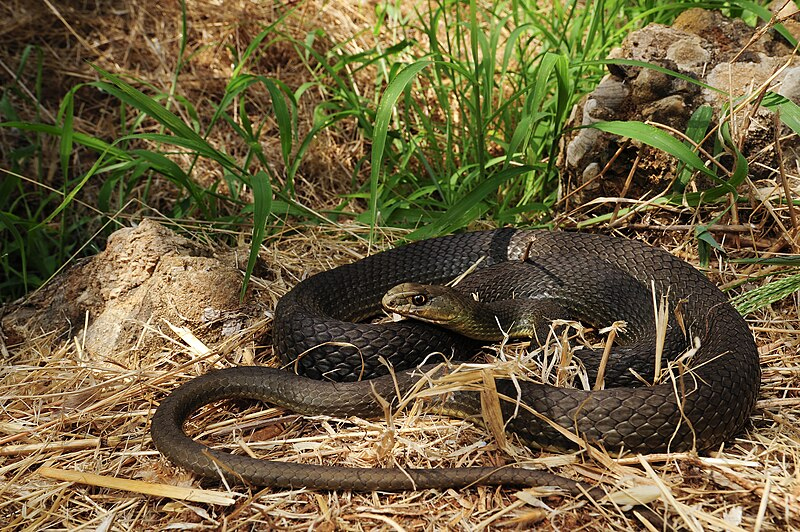
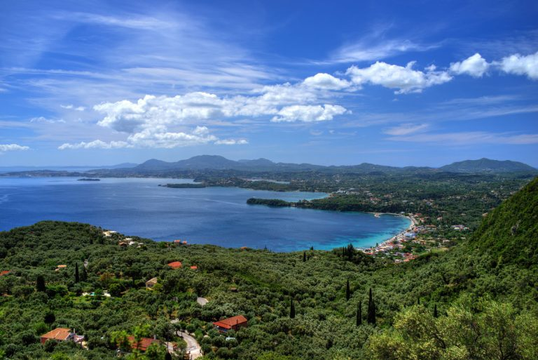
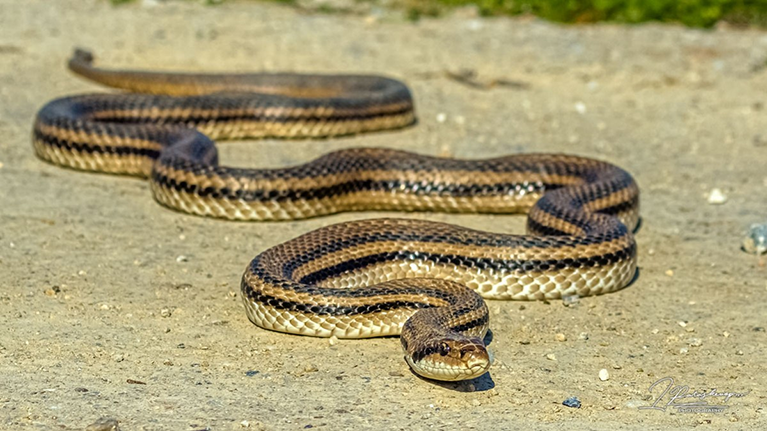
Morning (8 AM): Head to the Ropa Valley (approximately 30-minute drive southwest). This area is known for its diverse habitats, including wetlands and meadows, providing opportunities to encounter species like the European Pond Turtle (Emys orbicularis) and the Four-lined Snake (Elaphe quatuorlineata)
Explore the valley’s edges and water bodies, which are prime spots for observing amphibians and reptiles.
Afternoon (2 PM): Drive north to the forested regions near Dassia and Ipsos (approximately 20-minute drive). These mixed woodlands are habitats for species such as the Balkan Wall Lizard (Podarcis tauricus). Continue herping in the area, focusing on stone walls and sunny clearings where reptiles bask
Fundana Villas | Three Family Room with Breakfast
KORISSION LAGOON
Day 6: KORISSION
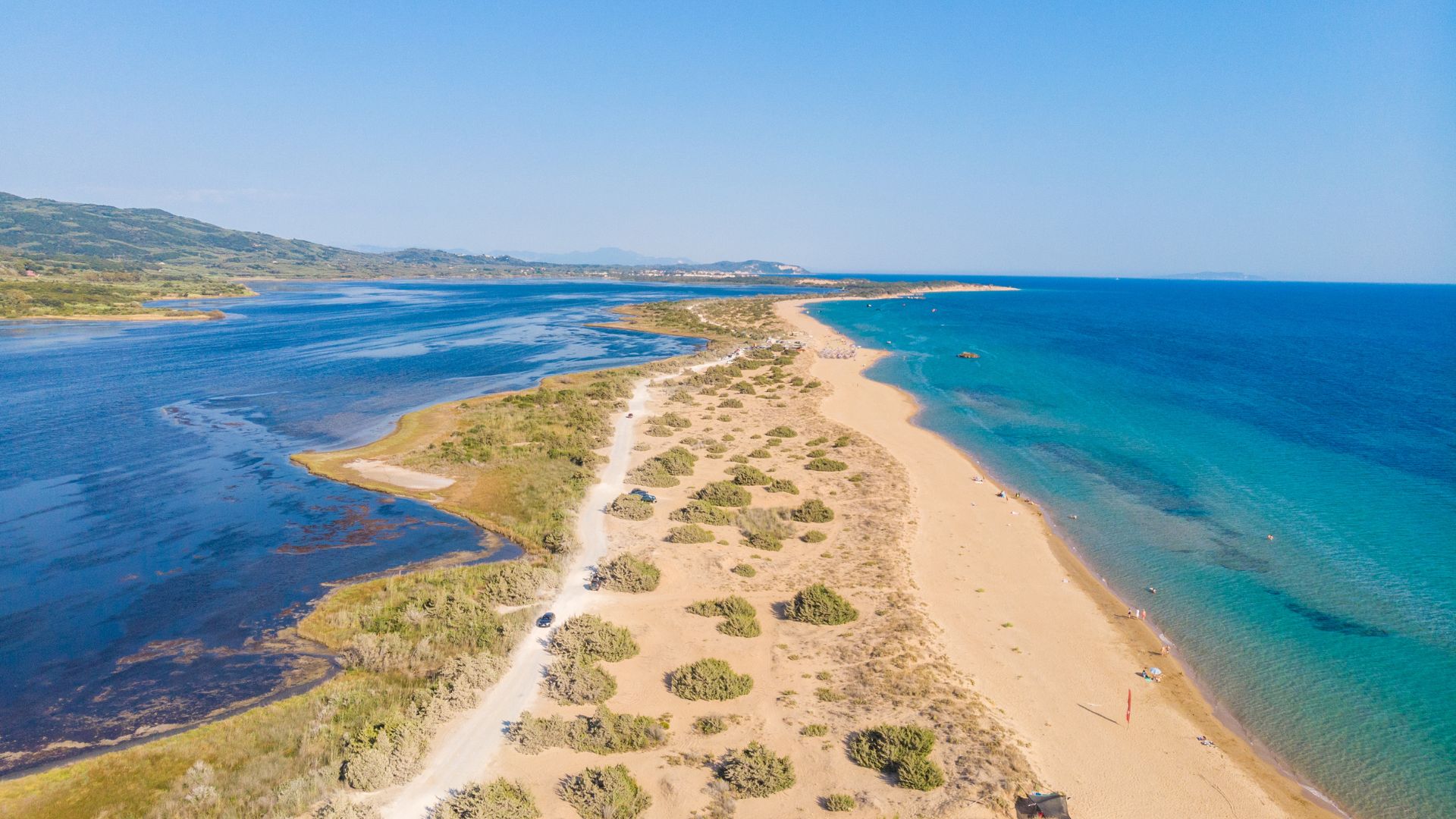
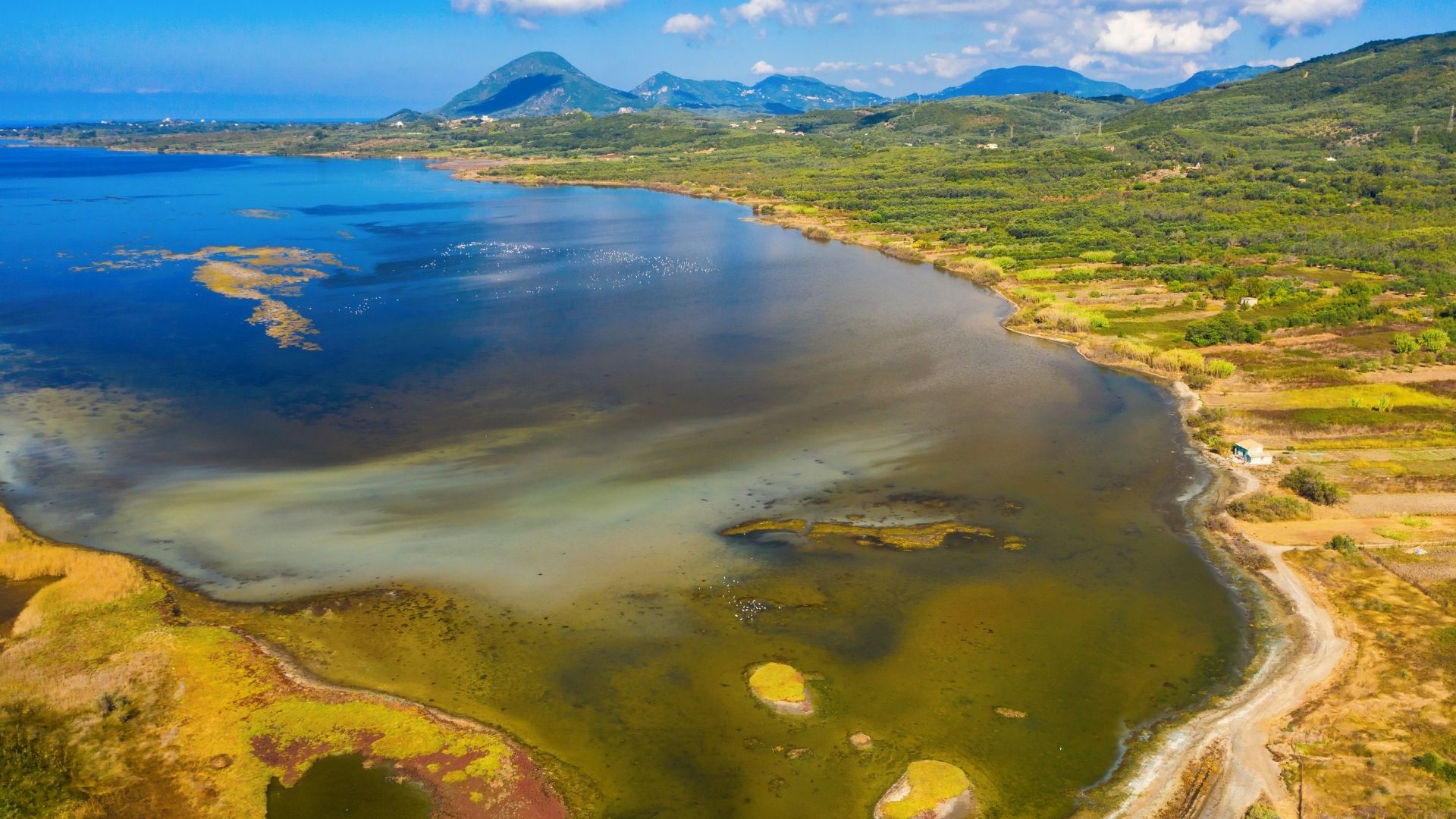
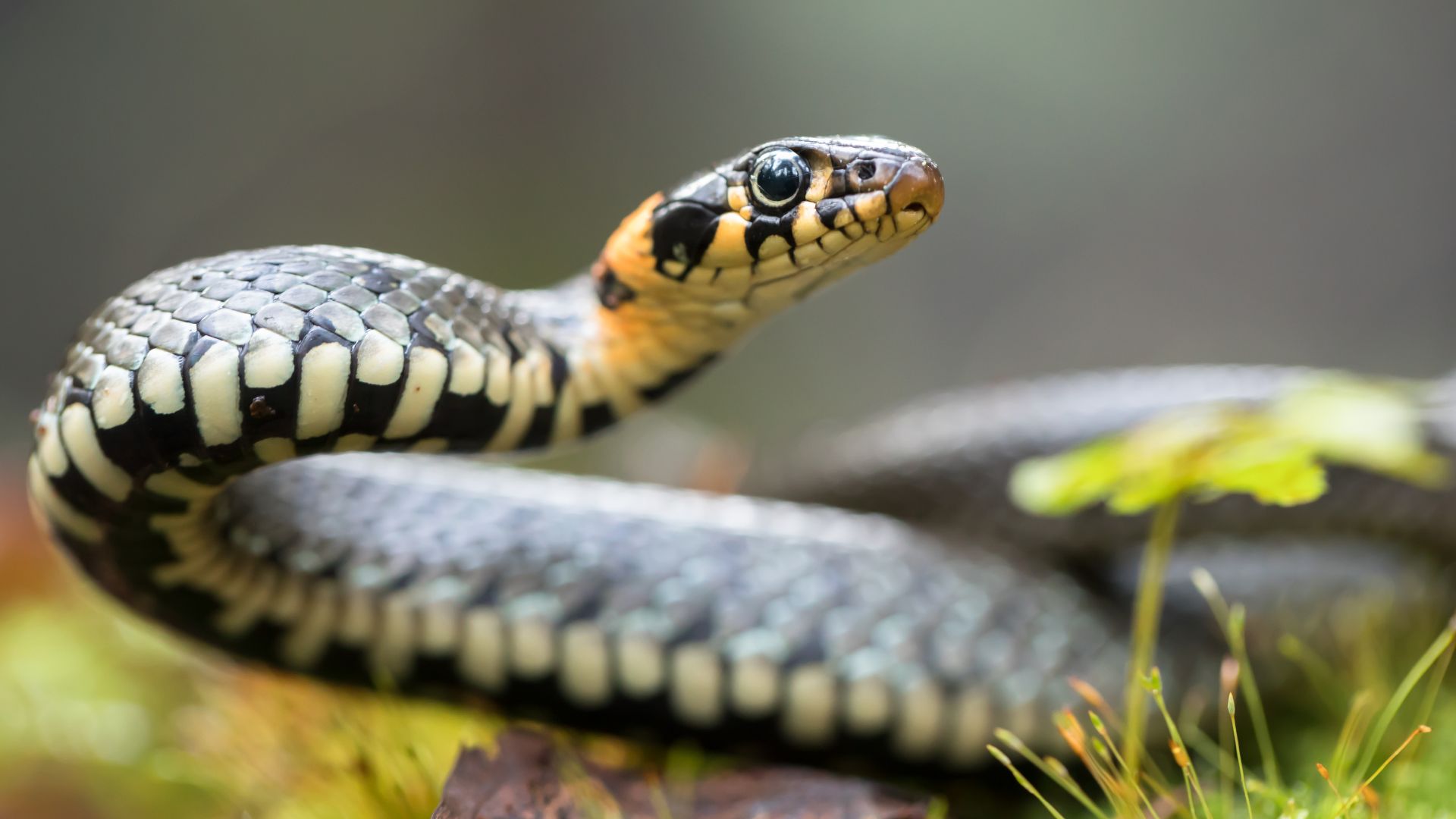
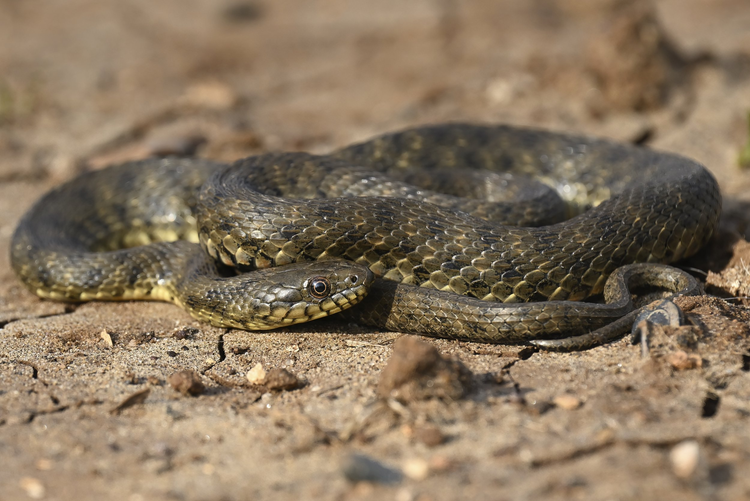
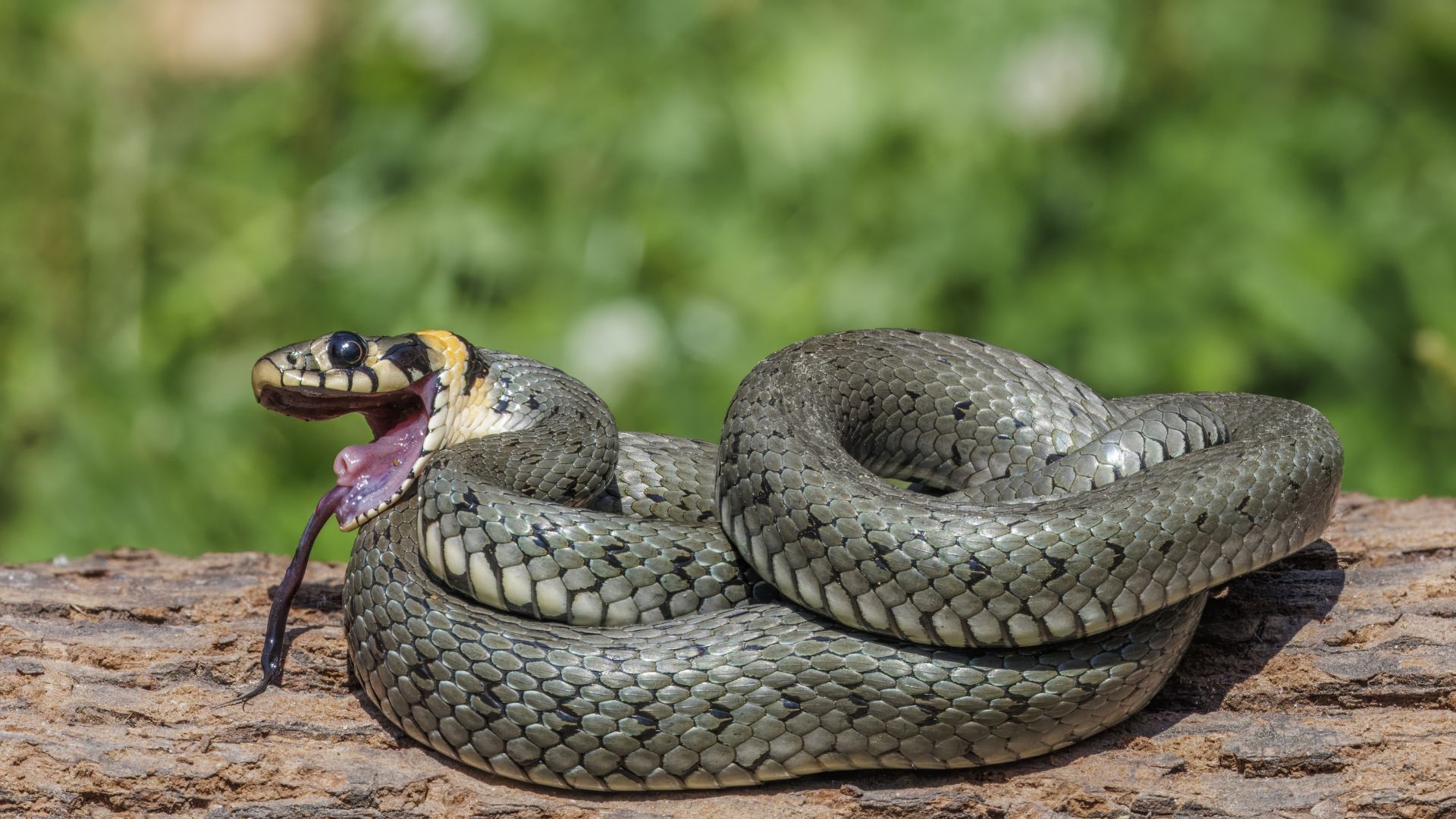
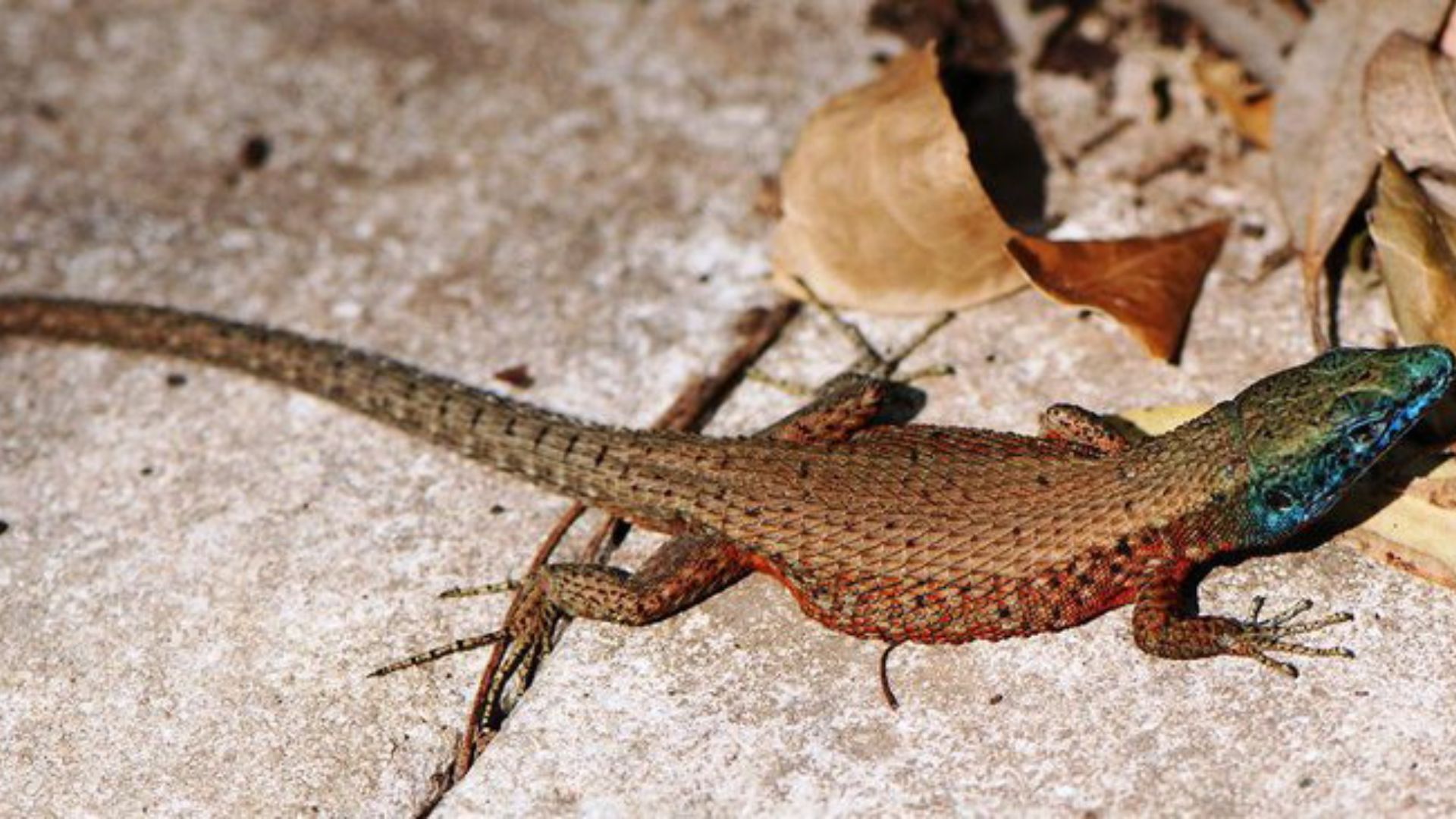
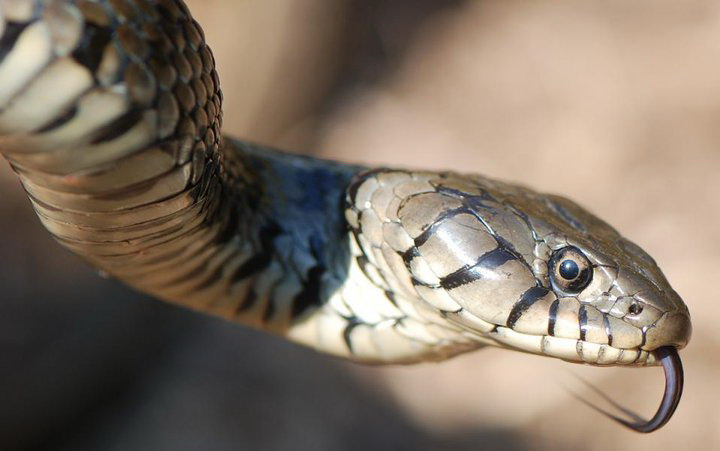
Morning (7 AM): Visit Korission Lagoon (1.5-hour drive from Paleokastritsa), a prime wetland for spotting Dice Snakes and various amphibians. Striped Grass Snakes are abundant in the ponds and ditches, while Dice Snakes can often be seen in the shallow waters. Green Lizards and Dalmatian Algyroides are also common, with the striking blue-throated males adding a splash of color.
Afternoon (4 PM): Explore the Alonaki area, a hotspot for Glass Lizards, Large Whip Snakes, and the rare European Sand Boa. Whip snakes are often found on stone walls and in garden debris, while sand boas prefer sandy spots under man-made cover. Tortoises are also frequently seen here.
Day 6: AGIOS IOANNIS
BELVEDERE HOTEL
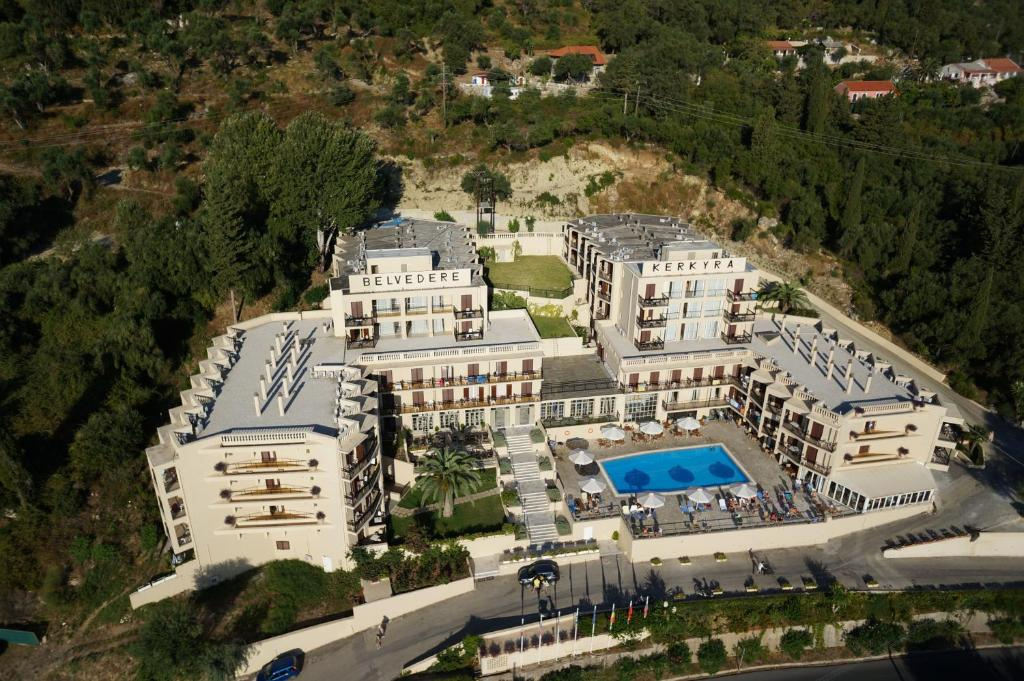
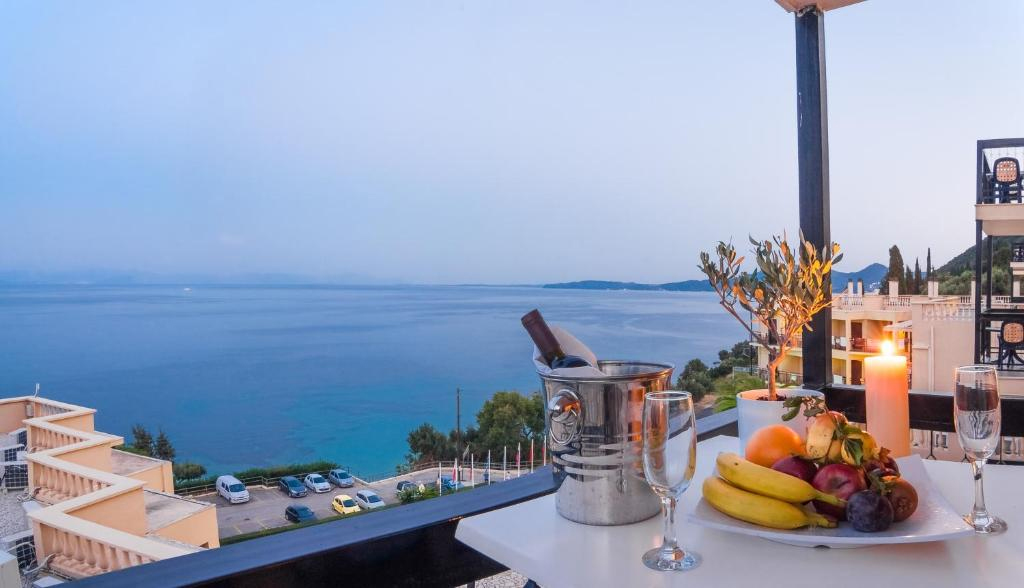
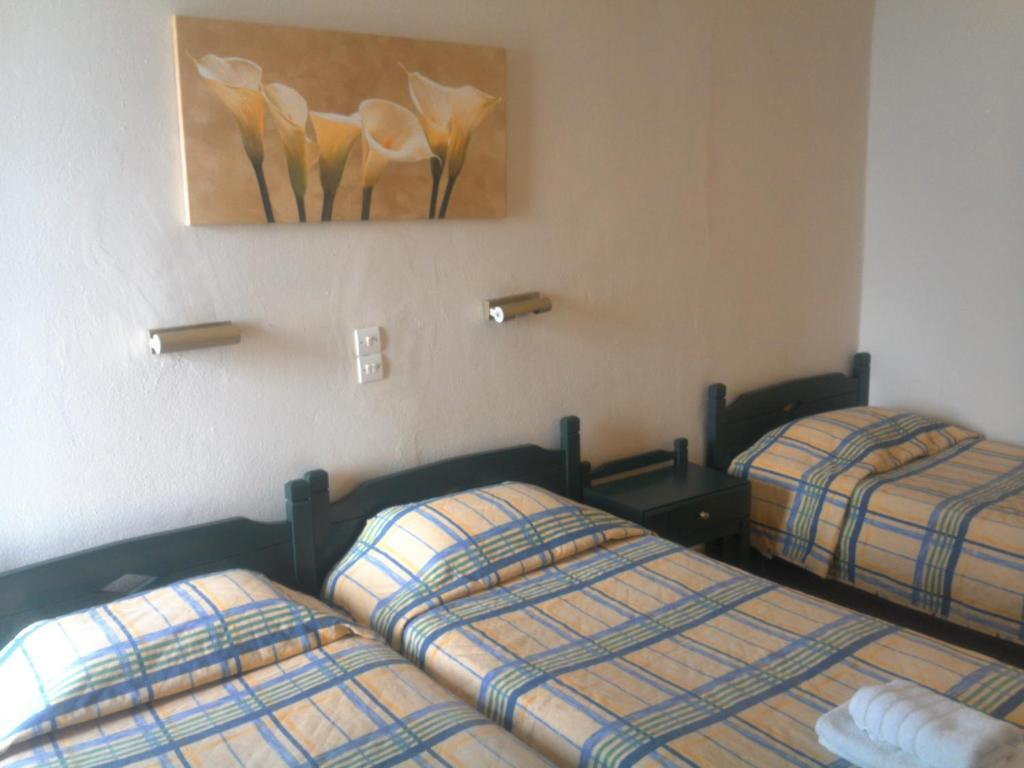
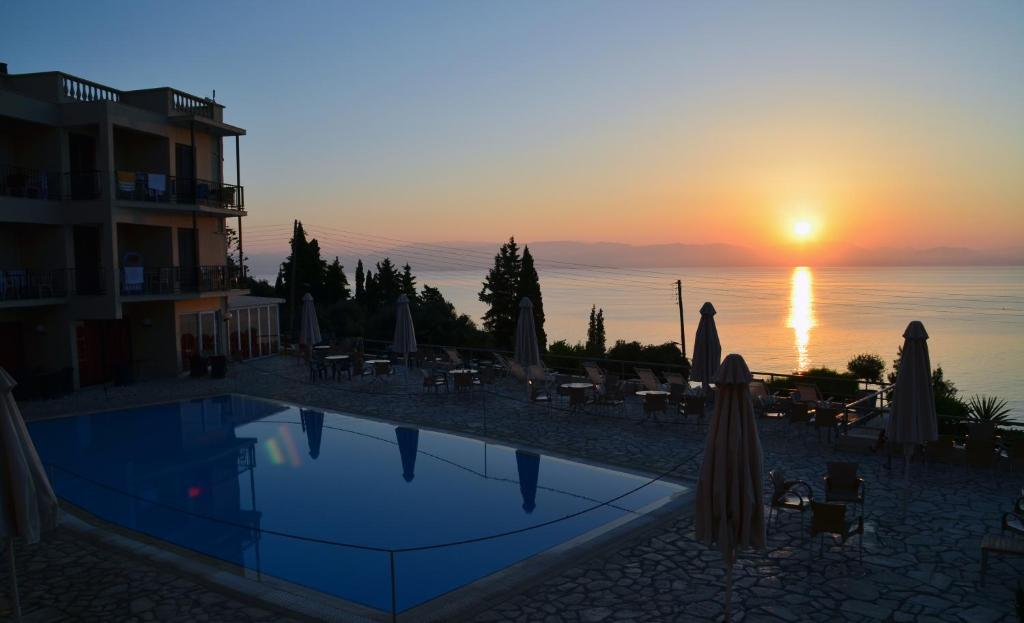
Accommodation (Day 6): Stay at the Belvedere Hotel, a all-inclusive hotel in Agios Ioannis, just across from a pebbly beach with views of the Ionian Sea. It features an outdoor saltwater pool and offers two twin garden-view rooms with three single beds each, including breakfast.
LEFKIMMI SALT PANS
Day 7: SOUTH REGION
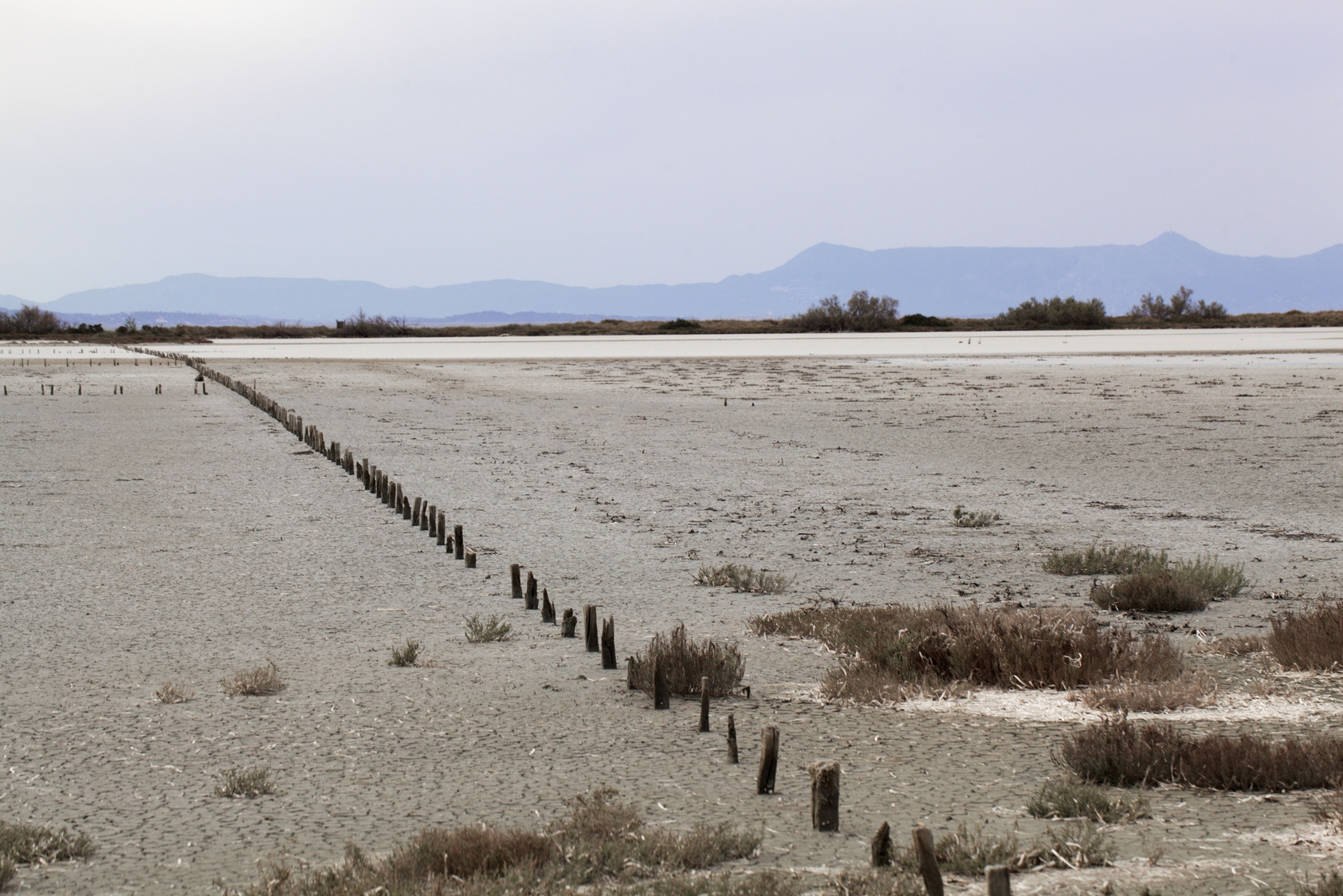
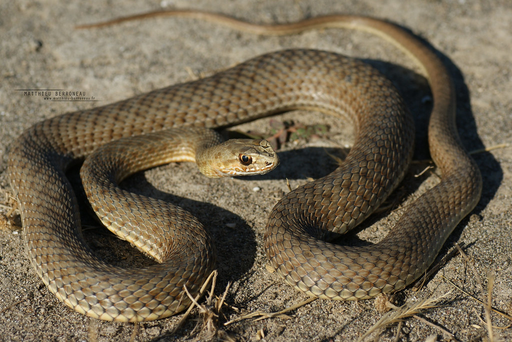
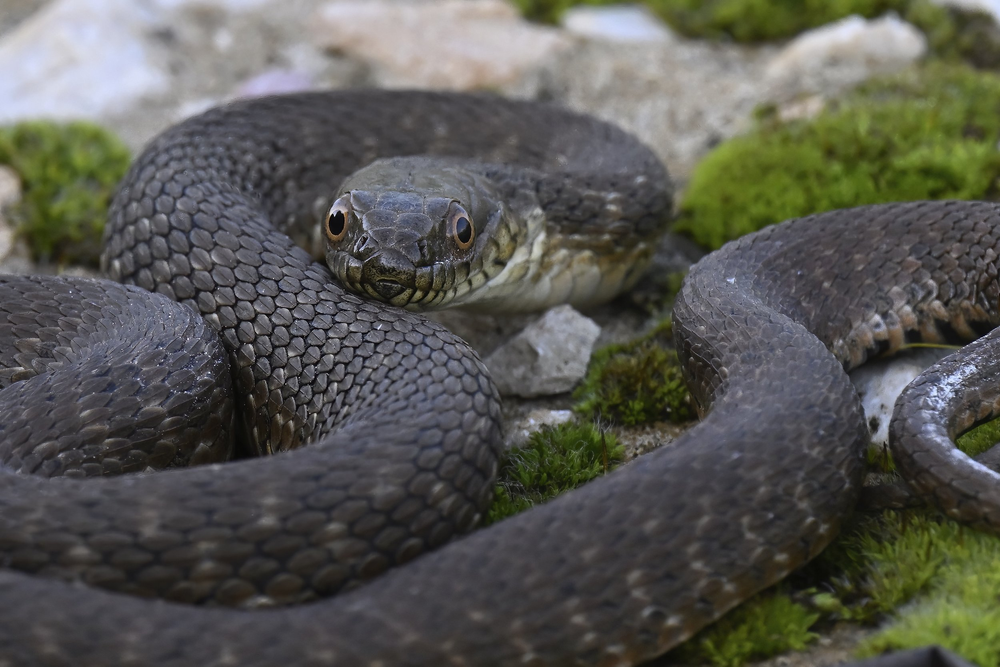
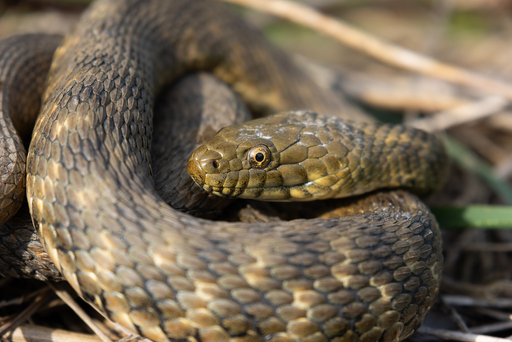
Morning (6 AM): Explore the south region of Korission Lagoon/ CORFU either of below is worth exploring: Lefkimmi Salt Pans and surrounding fields offer diverse habitats, including freshwater and brackish environments that attract amphibians and small reptiles, which in turn draw in snakes like the Dice Snake (Natrix tessellata).
Afternoon (11 AM): Reach to the hotel, take a shower and get fresh to reach CORFU town (approximately 1 hour drive north) for an evening dinner.
Proceed to Corfu International Airport for departure.
IMPORTANT NOTES
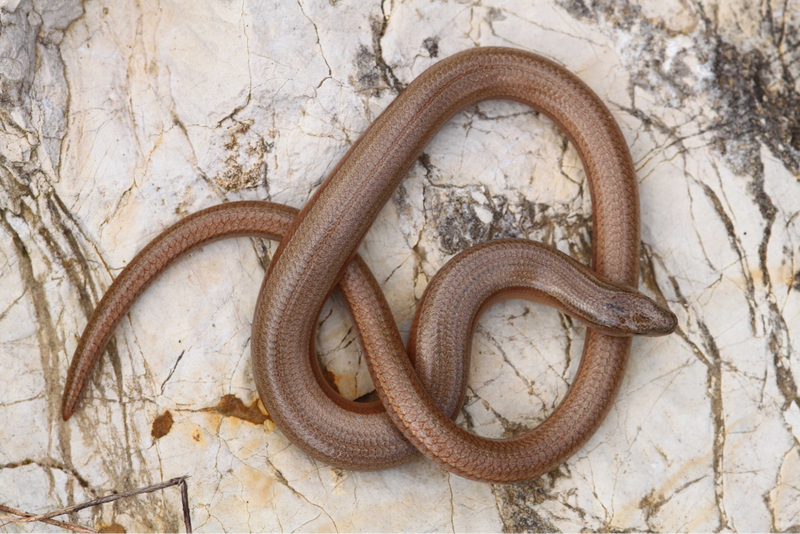
1. Make sure to flip over ever piece of debris you see – bricks, stones, wood, cardboard, old clothes. You will find a lot of things such as Greek Slow Worms (Anguis cephallonica) and Worm Snakes (Xerotyphlops vermicularis) as well as all sorts of other reptiles and amphibians. Be careful when you do so as you will also find the large centipedes which are very common and can deliver a very painful bite. There are several types of scorpion there too. Always put back what you turn over so as not to destroy habitat.
2. You can find reptiles at any time if you are lucky, but the middle of the day after about ten when it is hottest won’t yield much other than the odd lizard. Early morning before the sun is high, early evening, night or just after rainfall are much better times to go looking.
3. Always, always make a note of ponds, wells, ditches and streams you find. There are a few aquatic reptiles (two types of terrapin and two types of water snake) and lots of amphibians present on Corfu and all of them are quite common near water so repeated searches are great.
4. Find old, dilapidated stone walls or even fairly modern ones in wild areas that have lots of holes. It is surprising how often you can find snakes in the holes. I always walk along good walls shining my torch into every hole. Sometimes you will see snakes stretching out of the hole or coiled up at its entrance, other times they will be deeper in.
5. Evening walks will yield loads of cool animals and you can follow frog calls to water. Not only will you probably find frogs (of which there are several species) but you should also find a good habitat to look for water snakes and turtles the next day.
6. Those odd calls you hear at night that sound like old-fashioned submarine sonar “pings” are Scops Owl. You will hear them a lot but they are hard to see.
7. You can find reptiles including snakes just about anywhere but the closer you are to other humans the fewer you will see, as people walking ahead of you will have disturbed them. Try to find pristine places where there don’t seem to be any people about, and don’t just keep to the paths. Be careful where you tread – a lot of the land is private but the locals are amongst the most hospitable in the world, if you make friends with them and explain that you are looking for nature they should happily let you walk on their land.